
If you’re looking to sharpen your competitive edge in today’s evolving gaming landscape, you’re in the right place. Whether you’re grinding ranked ladders, studying esports matchups, or refining your mechanics, understanding the deeper layers of interactive game systems is what separates casual play from calculated dominance.
This article breaks down the mechanics, strategies, and decision-making frameworks that define high-level performance. From optimizing reaction windows to mastering map control tactics, we focus on the practical skills that directly impact win rates and in-game consistency. You’ll also gain insights into play-centric genres, meta adaptations, and strategic habits used by competitive players.
Our analysis draws from professional match breakdowns, high-level gameplay reviews, and proven competitive frameworks used across esports scenes. Instead of surface-level tips, you’ll get structured, actionable guidance designed to help you think smarter, adapt faster, and execute with confidence in any competitive environment.
Map dominance isn’t luck; it’s leverage. While most guides obsess over build orders, they ignore vision timing, terrain denial, and psychological pressure. First, scout with intent—information is compound interest in RTS, MOBAs, and 4X alike. Next, convert vision into map control tactics that choke rotations and secure resource nodes. However, true advantage comes from tempo layering: forcing fights where reinforcements arrive faster for you. Meanwhile, track spawn cycles and objective timers to predict enemy paths (they’re creatures of habit). Finally, transition into late-game lockdown by splitting threats across quadrants, turning the battlefield itself into your win condition. Every angle matters.
Lifting the Fog of War: The Primacy of Vision
You cannot control what you cannot see. In competitive strategy games, vision is the FIRST DOMINO. Before economy, before combat, before flashy mechanics, there is information.
Back in 2019, several pro teams shifted their early builds by shaving 15 seconds off unit production just to scout faster. That tiny timing tweak changed entire tournament brackets. Why? Because early game scouting defines the tempo. Cheap, expendable units probe enemy starts, resource nodes, and expansion paths. Losing one scout is trivial; missing an expansion timing is catastrophic.
Some argue that over-investing in vision slows your economy. They prefer raw power spikes. Fair point—spending on observers instead of units can feel passive. But without map control tactics, you’re swinging in the dark (and hoping it connects).
Establishing static vision means locking down watchtowers, choke points, and objective zones with wards or persistent observers. High-traffic routes become transparent.
- Deny flanks before they form
- Track army rotations in real time
This creates INFORMATION ASYMMETRY—the deliberate knowledge gap where you see their composition and movement while yours remains concealed. Think of it as chess with half the board revealed.
Pro tip: refresh vision every few minutes; stale intel loses games faster than bad mechanics. In war—and esports—clarity wins.
Claiming Key Ground: Resources and Choke Points
Once vision is established, the next question is obvious: where should you commit? Not all resource nodes are equal. Standard nodes provide steady income, while high-yield resource nodes generate resources at a faster rate, accelerating production and tech. According to common RTS balance models, early control of high-yield expansions can increase mid-game unit output by over 20% (GDC strategy panels, 2023). That’s not a small edge.
However, some players argue that expanding too quickly overextends your defenses. Fair point. Yet this is where economic denial comes in—the act of capturing an expansion primarily to prevent your opponent from accessing it. Even if the income is modest, denying theirs compounds over time (think of it as starving the beast before it grows heads like a strategy-game Hydra).
Meanwhile, controlling choke points—narrow pathways that funnel units—multiplies defensive efficiency. Because enemy forces are compressed, area-of-effect abilities (attacks that damage multiple units in a radius) and static defenses become disproportionately powerful. A single well-placed turret covering a choke can outperform two in open terrain.
So what’s next after securing the spot? Layer defenses. Combine mobile units with bunkers, turrets, or fortresses to create overlapping threat zones. This makes every push costly and forces inefficient trades. Use map control tactics to ensure reinforcements arrive faster than your opponent expects.
Looking ahead, ask yourself: if this position falls, what’s your fallback line? Smart players don’t just claim ground—they plan the next wall before the first one cracks.
Calculated Growth: The Art of Expansion
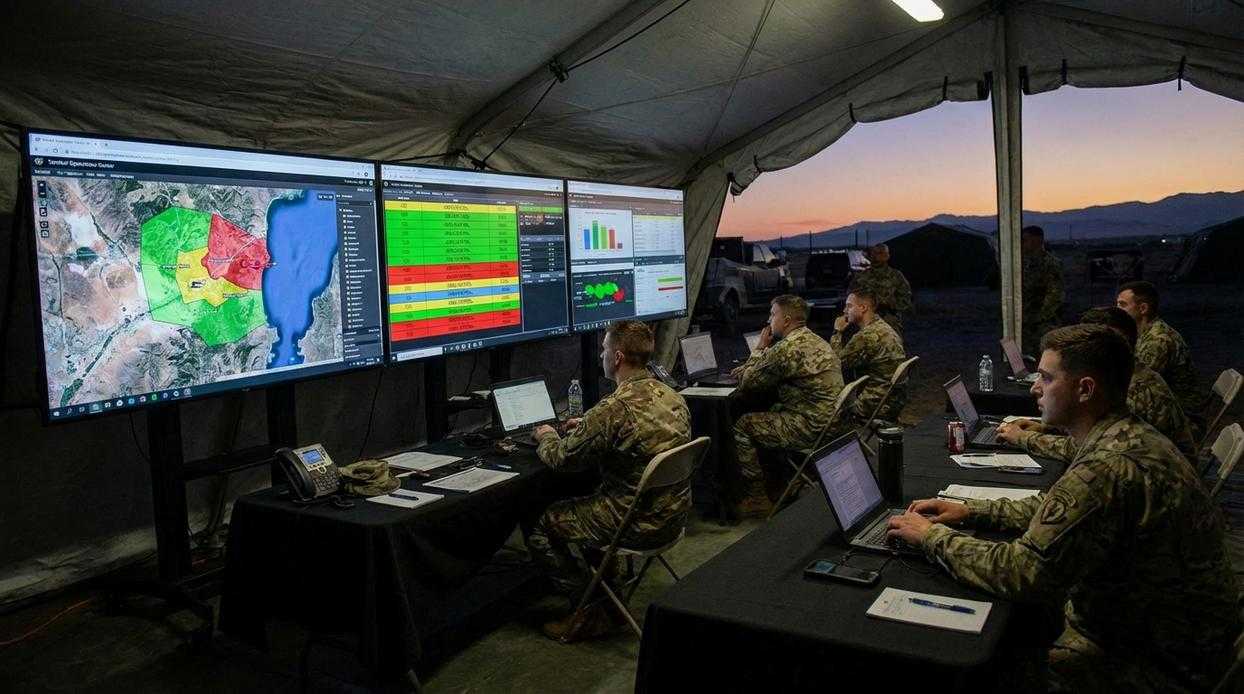
Expanding isn’t about grabbing more land—it’s about holding what you take. In strategy games, growth without protection is just a countdown to collapse (and yes, we’ve all been there).
Recognizing Expansion Timers
The safest moments to expand usually follow three triggers:
- After a decisive win – If you’ve just crushed a major engagement, your opponent’s rebuild timer is your green light.
- With a tech advantage – Superior units or upgrades create a temporary power spike. Use it.
- During opponent passivity – If scouting reveals turtling or delayed aggression, claim space methodically.
Pro tip: Expand only when you can immediately reinforce the new zone within one rotation of your army.
This ties closely to the principles outlined in early game vs late game strategic trade offs explained.
The Danger of Overextension
Overextension means controlling more territory than you can defend. Your forces stretch thin, supply lines lag, and a single flank collapses everything (think “Helm’s Deep,” but without Gandalf arriving).
Ask yourself: can I defend every expansion simultaneously? If not, consolidate.
Leapfrogging Defenses
Instead of stretching outward recklessly, build a forward defensive line first—towers, vision, rally points—then expand behind it. This leapfrog method advances your safe zone step by step.
Mastering map control tactics ensures each expansion strengthens your position instead of exposing it.
Applying Pressure and Denying Space
Advanced map control tactics are proactive, not reactive. Instead of waiting for your opponent to move, you force responses and steadily shrink their options. Some argue this style is risky—why split forces when you could turtle and scale? Fair point. However, passive play hands over initiative (and initiative wins games).
First, consider multi-pronged harassment. Small, mobile squads striking mineral lines or undefended structures compel your opponent to divide attention and army supply. Think of it like spinning plates; eventually, one drops.
Next comes territorial creep. In StarCraft, Zerg creep slowly suffocates movement. In MOBAs, coordinated ward lines push vision forward, choking safe farm routes. Bit by bit, the map feels smaller.
Finally, area denial makes key zones too dangerous to enter. Siege tanks, trap abilities, or ultimates zone objectives without full engagements. While some players prefer decisive clashes, controlled suffocation often wins before the final fight even starts.
Turning the Battlefield Into Your Fortress
I believe victories are engineered long before the final clash. Effective map management is a continuous process of seeing, securing, and pressuring. By mastering these principles, you move beyond simply controlling units to controlling the entire flow of the game. In my experience, smart map control tactics beat brute force almost every time. Consider:
- Vision wins wars
- Choke points create leverage
Victory isn’t always won by the biggest army, but by the army in the best position. Focus on one pillar next match, and watch your options multiply dramatically. Trust positioning first.
Mastering map control strategies can propel your team to victory in competitive matches, especially when combined with advanced techniques highlighted in our detailed analysis of the Civiliden Ll5540.
Take Control of Your Next Match
You came here to sharpen your edge and finally understand how to win more consistently. Now you know how smarter rotations, tighter communication, and disciplined map control tactics can turn chaotic matches into calculated victories.
Losing winnable games because of poor positioning or missed objectives is frustrating. Falling behind due to weak awareness or uncoordinated pushes feels even worse. The difference between average and elite players often comes down to mastering map control tactics and executing them under pressure.
The next move is yours.
Start applying these strategies in your very next session. Review your gameplay, track positioning mistakes, and deliberately practice stronger map control tactics every match. If you’re serious about climbing the ranks, dive deeper into advanced breakdowns, pro-level insights, and competitive play strategies designed to give you a real advantage.
Stop guessing. Start dominating. Level up your strategy today and turn every map into your advantage.