Remember Pong?
One paddle. One ball. No tutorials.
No microtransactions.
That world is gone. And good riddance. But what replaced it?
I’ve watched game tech evolve for over a decade. Not as a journalist. Not as a marketer.
As someone who’s debugged engine builds, sat in dev crunch rooms, and played every beta that mattered.
This isn’t about hype. It’s about Gaming Trend Tgarchirvetech (the) real shifts happening now that will define how you play in 2029.
You’re tired of buzzwords. So am I.
Why does any of this matter to you? Because your next favorite game won’t just look better. It’ll respond to you.
Learn from you. Change because of you.
I’ll show you exactly how. And why it’s already happening.
No fluff. Just what’s real.
The Real Shift: Not Better Pixels (Better) Worlds
I stopped caring about how shiny a game looked around 2015. Not because graphics got worse. They got better.
But the real magic started happening elsewhere.
Emergent gameplay is where it lives now. That’s when systems (AI,) physics, weather, dialogue trees (collide) in ways the devs didn’t script. You don’t watch a story.
You make one.
Ten years ago, I played a big-budget shooter where every explosion was hand-placed. Same path. Same cutscene.
Same outcome. Now I drop into a sandbox where a stray arrow sets fire to grass, wind spreads it, NPCs panic and flee. And that chain wasn’t written.
It computed.
That’s not polish. That’s philosophy. We moved past “How real does it look?” to “How real does it feel?”
And feel isn’t rendered (it’s) generated.
This shift explains everything coming next. The AI tools. The procedural engines.
The cloud-synced persistence layers. They’re not upgrades. They’re requirements.
Tgarchirvetech tracks this exact pivot (not) just the tech, but why it matters now. Most sites report on specs. This one asks: What does this let players do that they couldn’t before?
Gaming Trend Tgarchirvetech isn’t about chasing realism anymore.
It’s about building worlds that breathe without you holding their hand.
You felt that moment (the) one no tutorial prepared you for. Yeah. That’s the point.
AI and Procedural Generation: Who Builds These Worlds?
I used to think “procedural generation” meant random noise. Like rolling dice behind a curtain.
It’s not. Procedural Content Generation (PCG) means rules (math,) logic, constraints (that) build terrain, cities, or loot on the fly. No human drew every mountain in No Man’s Sky. A system did.
And it made 18 quintillion planets.
Generative AI is different. It learns patterns from data. Not just rules.
Style, tone, cause-and-effect. In games, that means NPCs who remember your last lie. Or quests that shift because you spared a boss instead of killing them.
I watched a demo where an AI re-wrote dialogue mid-conversation based on player stress cues (measured via controller grip pressure). That’s not sci-fi. It’s shipping in early access titles this year.
People ask: Does this replace designers? No. It replaces grunt work. The kind that eats months.
I covered this topic over in this resource.
Hand-placing 20,000 trees, writing 500 quest variants, testing every NPC path in a 20km map.
Human designers now focus on what matters: the core loop. The emotional arc. The rules that make the world feel alive, not just big.
PCG builds scale. Generative AI adds memory and reaction.
Together, they’re why Starfield’s 1,000 planets feel distinct (not) just reskinned copies.
You’ve seen the result: worlds that surprise even their creators.
This isn’t about infinite content for its own sake. It’s about depth without burnout.
That’s the real shift.
And yes (this) is the Gaming Trend Tgarchirvetech slowly reshaping studios right now.
One dev told me their team cut quest-writing time by 60% (then) spent the saved hours refining the main story’s third act. That’s the win.
Don’t fear the algorithm. Train it. Then get back to the part only you can do.
Cloud Gaming: Your GPU Is Optional Now
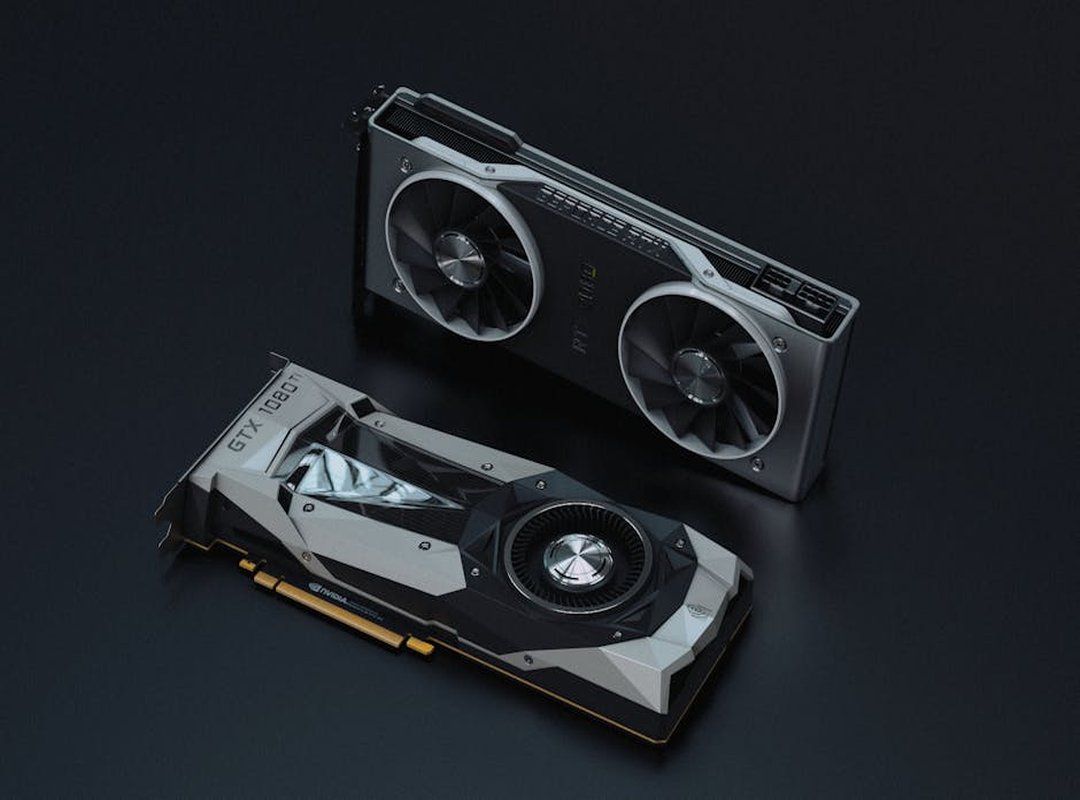
I used to drop $1,500 on a gaming PC every two years. Then I realized I was paying for hardware I barely maxed out.
Cloud gaming changed that. Services like GeForce Now and Xbox Cloud Gaming stream games straight to your laptop, phone, or even a $200 Chromebook. You’re not running Cyberpunk (you’re) watching it, like Netflix.
But with buttons.
That’s the real win: hardware barriers are gone. Not reduced. Gone.
You don’t need an RTX 4090. You need decent Wi-Fi and patience for a 30ms delay (which, yes, matters in Valorant (but) not in Stardew Valley).
Cross-platform play? It’s not just “you can join your friend.” It’s “your Fortnite skin, level, and V-Bucks carry over from Switch to PC to Xbox. No export needed.” That’s not convenience.
It’s respect for your time and money.
And it’s spreading fast. Minecraft, Rocket League, Destiny 2 (all) sync progress across devices. No more starting over because your cousin plays on PlayStation.
This isn’t just tech evolution. It’s a power shift.
The industry is moving away from selling boxes and toward selling access. Subscriptions. Ecosystems.
Like Spotify for shooters.
Does that mean consoles will vanish? No. But their role is shrinking.
I go into much more detail on this in Tgarchirvetech gaming trends.
They’re becoming one node. Not the only node.
Gaming Trend Tgarchirvetech tracks how fast this is happening. Read more about which services actually deliver low-latency gameplay right now. Not the press releases.
I tested GeForce Now on a 2018 MacBook Air last week. Ran Elden Ring at 60fps. Felt weird.
Felt right.
Your old laptop isn’t obsolete. It’s just been waiting for the cloud.
Skip the upgrade cycle. Try cloud first.
You’ll be surprised how much you don’t miss.
The Next Sensory Layer: Haptics, Spatial Audio, and Immersive
I stopped caring about higher frame rates years ago. My attention shifted to what my hands feel.
The PS5’s DualSense controller isn’t a gimmick. It’s adaptive triggers that resist, vibrate with texture, and mimic tension. Like pulling a bowstring or gunning a motorcycle.
Spatial audio? It’s not just “cool sound.” It tells you exactly where that enemy sniper is breathing. Left rear, three feet up, behind the crate.
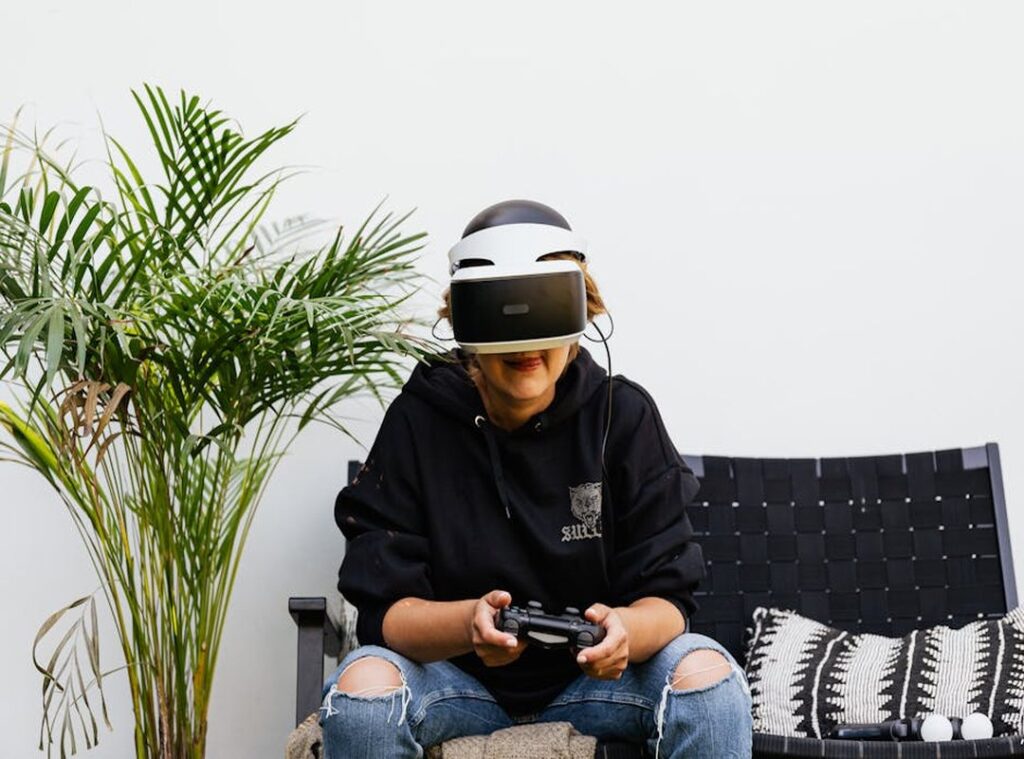
VR and AR aren’t waiting for mass adoption. They’re already stitching haptics, spatial audio, and vision into one coherent experience. Even if your headset collects dust most days.
This isn’t sci-fi. It’s shipping now.
Gaming Trend Tgarchirvetech is already bending toward this sensory stack (not) just more pixels, but more presence.
If you’re still judging immersion by resolution alone, you’re missing half the signal.
Read more about where this is headed in this guide.
You See It Now
I used to scroll past game announcements and feel lost. Hype everywhere. No idea what actually mattered.
Now you know: real change happens when tech puts you in control. Not studios. Not platforms.
You.
That’s why Gaming Trend Tgarchirvetech isn’t about flash. It’s about who gets to play (and) how deeply.
Next time a big game drops, pause before you click “watch trailer.” Ask yourself:
Is this using AI to adapt to me? Does it run in the cloud so I’m not locked to hardware? Does it bring touch, voice, or motion into the fight?
You’ll spot the fakes fast. And the real ones? You’ll recognize them instantly.
This isn’t speculation. It’s pattern recognition. Now in your hands.
Go watch that next announcement.
Then tell me what you see.