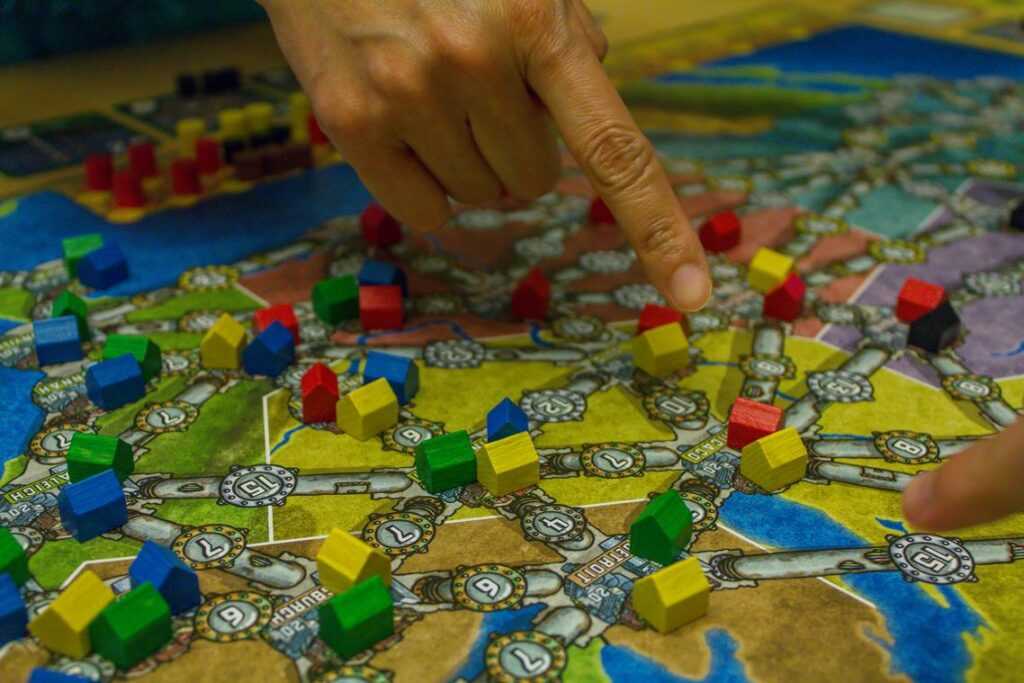
The middle of a match is where games are truly won or lost. It’s a dynamic battlefield where your opening strategy collides with your opponent’s real skill, habits, and adaptations. Too many players stick to a pre-game plan long after it stops working, turning manageable setbacks into predictable defeats. This guide breaks that cycle. Drawing on analysis from thousands of professional matches, it delivers a clear framework for recognizing when momentum shifts and how to respond with bold mid-game tactical adjustments. You’ll learn to read the evolving game state, spot the precise pivot point, and execute changes that transform pressure into opportunity.
Reading the Signs: When to Ditch Your Opening Strategy

Recognizing when to pivot isn’t panic—it’s pattern recognition. Many players argue you should “trust the process” and stick to the opening plan no matter what. After all, pros rehearse comps for weeks. But here’s the catch: pros also build contingencies. Stubbornness isn’t discipline (it’s just ego in a jersey).
First, watch for loss of critical control. If the enemy secures Baron, Soul, or locks down a chokepoint repeatedly, they’re dictating tempo—tempo meaning the pace and flow of decision-making. Once tempo is gone, your options shrink fast.
Next, a hard counter—a direct strategic negation of your win condition—should trigger immediate reassessment. If your hyper-carry can’t deal damage into layered crowd control, no amount of wishful thinking fixes that. This is why understanding how pro teams draft winning compositions in major tournaments (https://playonit55.com/how-pro-teams-draft-winning-compositions-in-major-tournaments/) matters before queueing up.
Then there’s economic bleeding. When gold or XP deficits compound, scaling becomes fantasy, not strategy. According to Riot Games data reports, early objective control correlates strongly with win rates above 60% in pro play.
Finally, repeated failed engagements signal predictability. Smart teams implement mid-game tactical adjustments instead of rerunning losing scripts.
Pro tip: If two warning signs appear simultaneously, pivot immediately—not after the next respawn.
Pressure in a match can feel like a kitchen on fire: timers beeping, orders stacking, everyone shouting. However, even in chaos, great teams follow a simple recipe for clarity. Think of the Decision Framework as a three-burner stove: Assess, Adapt, Act.
First, Assess. For ten seconds, take a mental snapshot of the map. Ask: Which ingredients are still fresh? Maybe your scaling carry is quietly simmering, or the enemy jungler just showed bot. Identify their soft spot and your new win condition. This isn’t hesitation; it’s reading the weather before setting sail.
Next, Adapt. Another ten seconds to sketch one or two routes. If five-on-five fights are a brick wall, become water and flow around it. Consider split-pushing to stretch the map, or shift into a defensive shell that buys time. These mid-game tactical adjustments turn pressure into leverage, like a chess player sacrificing a piece for position.
Finally, Act. Five seconds. Choose a line and commit. Say: ‘They win 5v5. I’ll pressure top. Avoid fights.’ Clear, concise, confident. Indecision is quicksand; the longer you stand, the deeper you sink.
To keep it practical, remember:
- Snapshot strengths and weaknesses.
- Draft two realistic pivots.
- Call the play decisively.
Afterward, review the outcome like game film. Even if the plan wasn’t perfect, decisive execution builds trust and momentum. And over time, that rhythm turns panic into poise, transforming scrambles into strategic surges. In tight moments, clarity beats complexity, just like a compass beats a crowd every single time.
Practical pivots sound obvious in hindsight, but most players cling to failing plans far too long. We romanticize “sticking to the comp” or “trusting the strat,” yet competitive games reward adaptation, not stubbornness. Think of mid-game tactical adjustments as recalibrating your GPS when traffic hits— not abandoning the road trip.
In MOBAs like League of Legends or Dota 2, the common advice is “group and force.” I disagree. If your team-fight composition keeps losing, stop five-manning. Pivot to a pick style: control vision, isolate targets, and create 5v4s before objectives. It’s Moneyball with wards (yes, really).
In tactical shooters like VALORANT or CS:GO, players worship slow, “perfect” executes. But if they’re getting shredded, flip the script. Call a fast rush on the weak site. Conversely, if rushes fail, default for mid-map picks to stretch rotations. Predictability, not mechanics, is often the real enemy.
RTS titles such as StarCraft II or Age of Empires punish ego. If scouting reveals a hard counter, halt production immediately. A delayed counter-army beats an on-time, useless one. Pro tip: queue fewer units until intel confirms safety.
Battle royales like Apex Legends or Fortnite glorify hot drops, but survival wins tournaments. Lose early loot? Disengage, rotate, and reset. Playing slow isn’t cowardly; it’s strategic pacing (Rocky didn’t swing nonstop). Smart pivots don’t betray your plan—they prove you understand it.
Adaptation separates contenders from highlight reels; the best teams treat every setback as data, not drama, and pivot before the scoreboard makes the decision for them decisively.
Mastering the Mental Game of Adaptation
Strategic change isn’t just theory; it feels like the heat rising in your chest when a play falls apart. The crowd’s murmur buzzes in your ears, and plan continuation bias—that stubborn urge to cling to a failing idea—whispers to stay the course.
Some argue that grit means never switching, that mid-game tactical adjustments signal weakness. But calm adaptation is control.
• Pause and breathe as the room sharpens into focus.
• Reframe: ‘This counters them better.’
• Run Assess-Adapt-Act with steady hands.
Panic tastes metallic; confidence feels like air filling your lungs.
To master the art of adapting mid-game, consider integrating some insights from our article on Bluchamps Gaming Tips Tgarchirvetech, where we explore essential strategies that elevate your tactical gameplay.
Adaptability Is Your Ultimate Weapon
You set out to learn how to make smarter decisions under pressure, and now you have a clear, practical framework to do exactly that. When a match starts slipping away, frustration and tunnel vision are the real enemies. The players who rise above aren’t the most rigid—they’re the most responsive. Mastering mid-game tactical adjustments is how you stop repeating preventable losses and start taking control.
Don’t let another winnable game collapse because you hesitated to pivot. Make it a habit to observe, assess, and adjust with intent. If you’re serious about leveling up, dive into more of our #1-rated competitive strategy breakdowns and put these concepts into action in your very next match. Your edge is adaptability—use it.