
The dream of getting paid to play video games is no longer a fantasy—it’s a thriving global industry filled with real opportunity. Yet many passionate players overlook the wide range of esports career paths available beyond competing on stage. This guide is designed to change that. We break down the structure of the competitive gaming ecosystem, outlining the key roles that power it—from players and coaches to analysts and broadcast talent—and the skills each demands. Built on deep analysis of professional play and team dynamics, this article gives you a practical roadmap and actionable first steps to turn your passion for gaming into a sustainable profession.
The Competitive Gaming Ecosystem: More Than Just Players
Think of competitive gaming like the NBA of the digital world (yes, with fewer squeaky sneakers). Behind every clutch play is an entire machine. If you’re exploring esports career paths, start by understanding where your skills actually fit.
The Front Line includes Players, Coaches, and Analysts. A Coach develops strategy and manages team dynamics. An Analyst studies gameplay data—metrics like damage per round or gold differential—to spot patterns. Practical tip: record scrims, review them frame by frame, and track three recurring mistakes before fixing anything. SMALL WINS compound.
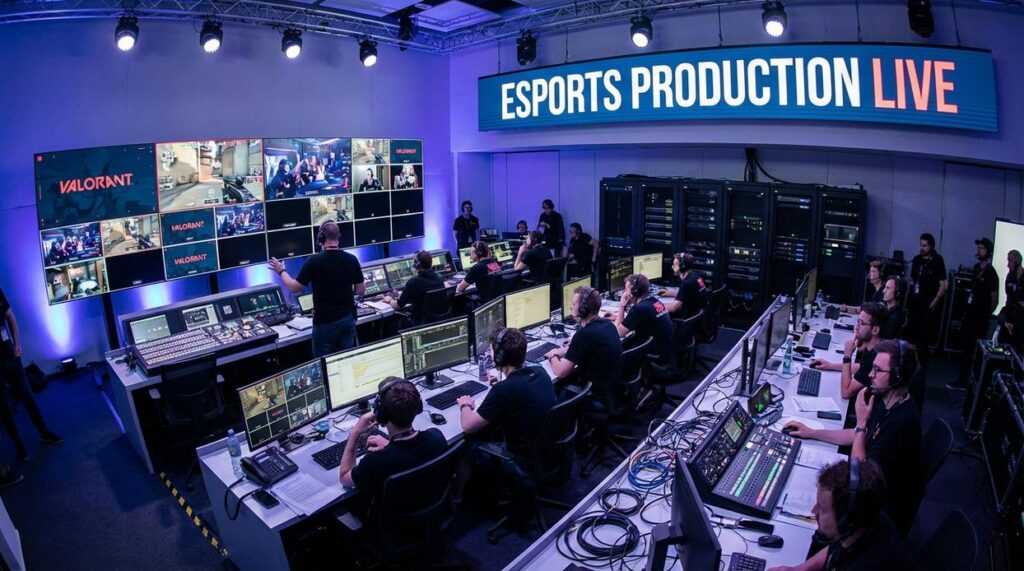
The Broadcast & Content Team turns matches into stories. Casters provide live commentary, Observers control the in-game camera, and Producers coordinate the show. Want in? Build a demo reel. Cast amateur matches on Twitch or volunteer for community tournaments. EXPERIENCE beats theory.
The Organizational Backbone handles operations. Team Managers coordinate logistics. Marketing and Partnership Managers secure sponsorships (revenue lifeblood, meaning the primary income source). Start by managing a small local roster to learn contracts and scheduling.
Some argue only elite players succeed. Not true. Read what separates amateur players from esports professionals: https://playonit55.com/what-separates-amateur-players-from-esports-professionals/
•
•
On the Digital Field: Forging a Path as a Player or Coach
I still remember the first amateur tournament I entered. I thought raw talent would carry me. It didn’t. We lost in the first round (badly). That was the moment I learned that competitive gaming isn’t just about flashy mechanics—it’s about structure.
This is the most visible—and most crowded—of all esports career paths. Many argue it’s too saturated to be realistic. They’re not wrong about the odds. But writing it off completely ignores how top competitors actually rise.
The Player’s Journey
Elite players rely on deliberate practice—a training method focused on targeted improvement rather than mindless repetition. In simple terms, it means playing with a specific goal, measuring results, and adjusting (think less “just one more match,” more “fix my map awareness”). Psychologist Anders Ericsson’s research popularized the concept, showing structured practice drives expertise (Ericsson et al., 1993).
For me, progress came from three shifts:
- Reviewing VODs to spot positioning errors
- Grinding ranked with a single mechanical focus
- Entering small tournaments to build resilience
Some say streaming distracts from improvement. Sometimes it does. But building a personal brand creates visibility—and opportunity. (Pro tip: clip your best plays immediately after matches while the context is fresh.)
The Strategist’s Role (Coach/Analyst)
Not everyone thrives under stage lights. Coaches turn game knowledge into leadership. This role demands deep meta analysis, data literacy, and the ability to simplify complexity—like explaining a team fight as clearly as a sports commentator breaking down a Super Bowl replay.
Start small. Help an amateur roster. Publish breakdowns. Build proof of insight. Talent opens doors. Strategy keeps them open.
Behind the Scenes: Careers in Esports Production & Events

If you thrive on stage lights, countdown timers, and the roar of Twitch chat, production might be your lane. While players get the glory, the broadcast crew makes the magic happen (and yes, someone has to fix the audio when it inevitably breaks).
The Voice of the Game (Caster/Host)
Casters translate split-second plays into stories. A caster is a live commentator who narrates gameplay, while a host guides the show between matches. This role blends deep game knowledge, improv skills, and the stamina to talk for hours without sounding like you swallowed gravel. Start small: cast amateur matches, review VODs (recorded gameplay footage), and build a showreel. Think of it as your esports audition tape—minus the dramatic reality TV music.
The Unseen Heroes (Producers/Observers)
An Observer is the in-game camera operator, tracking crucial moments with near-psychic game sense. A Producer directs the broadcast, coordinating replays, graphics, and talent. Many begin by volunteering for online leagues and mastering tools like OBS (Open Broadcaster Software). Pro tip: learn basic troubleshooting—tech gremlins love live shows.
Some argue these esports career paths are unstable. Fair. But for those who love controlled chaos, there’s nothing quite like it.
Building the Brand: The Business Behind the Game
Esports organizations aren’t just teams—they’re layered businesses operating at startup speed. While most coverage fixates on star players, the real competitive edge often lives behind the scenes.
First, consider Team & League Operations. The Team Manager oversees logistics, negotiates player contracts (legally binding agreements between athletes and organizations), coordinates travel, and safeguards player well-being. In an industry prone to burnout, structured support systems aren’t optional—they’re strategic advantages.
Meanwhile, the Social Media Manager shapes brand identity across platforms, translating match highlights into community momentum. Think less “posting memes,” more audience analytics, content funnels, and sponsor visibility metrics.
Then there’s the Partnership or Sales Manager—the revenue architect. Sponsorship acquisition funds salaries, bootcamps, and expansion. Without this role, the operation stalls.
Some argue passion alone opens doors in esports career paths. However, organizations increasingly prioritize business fluency, data literacy, and cross-cultural communication. A marketing or communications degree paired with competitive gaming insight creates a rare, defensible skill stack.
Pro tip: build a portfolio showcasing measurable impact, not just fandom.
Your Next Move in the World of Esports
You came here looking for clarity about where you fit in competitive gaming—and now you can see the opportunity is real. The challenge isn’t breaking into the industry; it’s choosing the right lane among today’s diverse esports career paths and committing to it with focus. Sitting on the sidelines is the fastest way to fall behind in a space that moves this quickly.
If you’re serious about turning passion into progress, start now. Dive deeper into strategy, sharpen your skills, and connect with communities that elevate your game. Join thousands of driven gamers leveling up their competitive edge—explore expert insights, apply what you learn, and take your first decisive step today.