
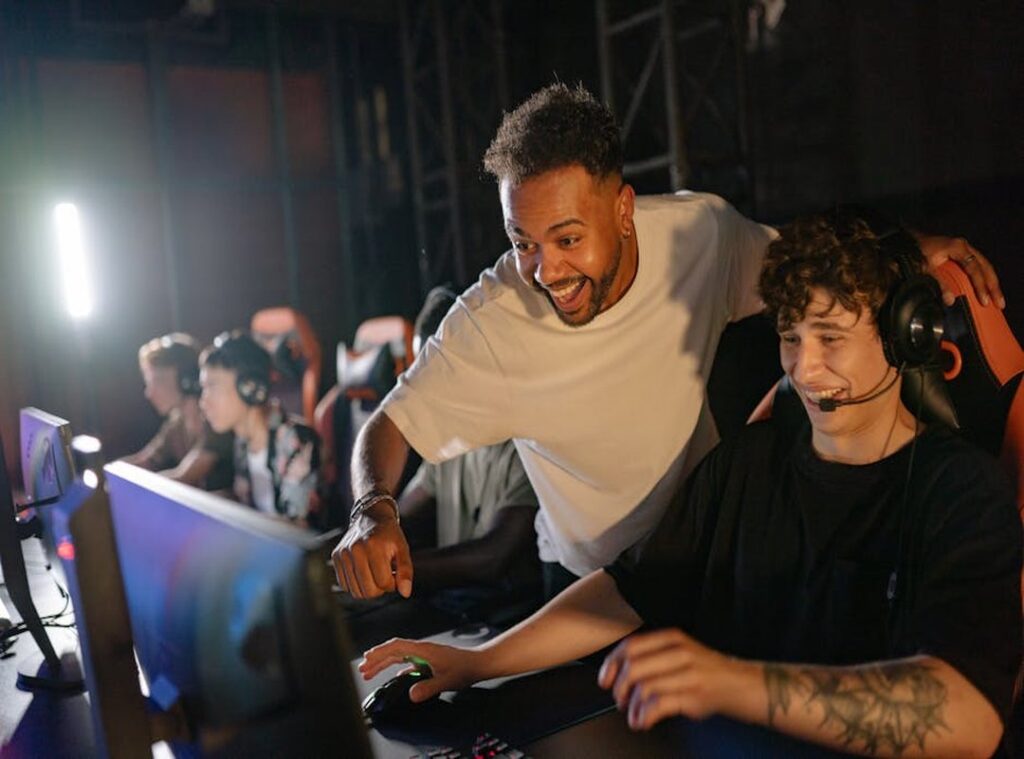
Ever felt the sting of watching a talented esports team stuck in a rut? It’s frustrating, isn’t it? I’ve been there.
That’s why I’m diving into esports coach takeaways to help you break through those barriers. This isn’t just another article with vague advice. It’s a deep dive into strategies that actually work.
We’ve dissected hours of pro play and top-tier coaching methods to bring you real tactics.
You’ll find a roadmap here. One that transforms raw talent into consistent victories. Don’t you want to see your team finally click?
This guide doesn’t just skim the surface. It gives actionable frameworks to boost individual skills and team combo. By the end, you’ll walk away with tools to raise your coaching game.
Ready to turn potential into performance? Let’s get started.
Beyond The Game: Coaching’s Triple Threat
Being an esports coach is more than just excelling at the game. It’s a mix of strategist, mentor, and manager. Yeah, you might be great at pulling off a sick play, but how well do you plan? the real challenge lies.
Then comes the Mentor. Player development isn’t just about improving skills; it’s about building confidence too. You might be asking, “How do I balance these roles?” Pro tip: focus on player needs first.
Let’s break it down: first, there’s the Strategist. You need to craft game plans and dive into meta-analysis. That’s your bread and butter.
Lastly, the Manager. You’re juggling schedules and resolving conflicts. Sometimes it feels like herding cats, right?
New to this? Here’s where to start:
- Set clear team goals
- Help post-game analysis
- Develop a coaching philosophy
- Create a positive team environment
Ask yourself, “Do I prioritize aggressive, fast-paced play or a more controlled, defensive style?” Your philosophy influences everything. You need a vision. That’s where the magic happens.
And don’t forget the mental game staying focused. It’s key for top performance. A clear mind can change everything.
Esports coach takeaways aren’t just about strategies and plays. They’re about adapting to the players and situations. It’s a changing role.
Adaptation is key.
Remember, great coaching doesn’t come from playing the game well. It comes from understanding the pressures and potential of your players. That’s the foundation you’re building.
Let’s get started!
Mastering Game Strategies: Analyze and Adapt Like a Pro
Watching VODs (Video on Demand) might sound tedious, but it’s where the magic happens. You watch first for the overall flow (think) of it as getting the vibe of the match. Then, re-watch from specific player perspectives.
Why? Because you want to see the game through their eyes, catch those small mechanics that make a big difference. Finally, zero in on key moments like team fights or objective takes.
This is where you see if the team has any weak links or missed opportunities.
Macro and micro strategies (they’re) not just buzzwords. In games like League of Legends, macro involves the grand plan: map control, rotations, and vision. It’s about reading the game like a chessboard.
Micro, on the other hand, is all about finesse. Individual mechanics, aim, skill usage. You need both to win.
Picture mastering a champion’s abilities in League or perfecting your aim in Valorant. That’s micro.
Teaching adaptation is another beast. In scrims, you test new compositions. You play around with anti-strats against specific opponents.
It’s not about winning scrims but learning. Scrims are your lab, your playground. You fail, you learn, you adapt.
Keeping up with the meta is key. You track patch notes like a hawk. (Pro tip: follow pro-level trends too.) The meta shifts like sand under your feet. If your strategies become outdated, you’re toast.
Watch out for those sneaky patch changes that can swing a game.
As an esports coach, you might think you’re just guiding players, but it’s so much more. Check out the real role of an esports coach for a deeper dive. These esports coach takeaways take you from good to great.
Adaptation, plan, and constant learning (that’s) how you stay ahead in the game.
Building a Winning Team Culture Out of the Game
Communication is king in esports. Without it, you’re just a group of individuals clicking buttons. You need a system for in-game callouts.

Who calls what? Keep comms clear. It’s not just shouting over each other.
It’s about precision. You’d be amazed how much smoother things run when everyone knows their role.
But let’s not ignore conflict resolution. Teams aren’t always harmonious. Disputes happen.
Here’s a simple system: First, listen to both sides separately. Don’t jump to conclusions. Next, identify the core issue, not just the surface argument (sometimes it’s deeper than it seems).
Finally, help a structured conversation focused on team goals. It’s as much about listening as it is about solving.
Then there’s practice. Saying “just play more” isn’t enough. To prevent burnout, balance is key.
Your weekly schedule should mix scrims, VOD review, individual practice, and rest. Rest is as important as practice. Without it, you’re just running on fumes.
No one performs well exhausted.
Expectations matter. Set clear rules for player conduct. Not just in-game, but out of it too.
A professional and respectful environment fosters success. If players know what’s expected, they rise to the occasion. They respect the culture you’re building.
For more on structured practice, check out how the Pros Approach Game Analysis. It’s important reading if you’re serious about improvement.
In esports, every edge counts. These takeaways aren’t just nice to have. They’re key.
As an esports coach, takeaways like these are your secret weapon. So, ask yourself, are you doing enough to build that winning culture? Remember, it’s not just about the game.
It’s about everything around it.
The Mental Game: Coaching for Resilience and Focus
Ever faced a bad streak and felt like throwing your controller? Me too. The mental game is the line between good teams and great ones.
It’s not just about how fast you can click or how well you know the map. Mindset is everything.
Let’s talk about managing “tilt” (that frustration spiral). One plan? Use a “mental reset” phrase.
I tell players to say something simple like, “Next play,” after a mistake. It’s like magic. Another trick?
A physical action, like a deep breath or a quick stretch. It sounds basic, but it works.
Building confidence is another beast. Praise effort and decision-making. Did a player make a smart rotation even if the fight was lost?
Highlight that. It’s not always about the win; it’s about the smart plays.
High-pressure situations, like tournaments, can make or break a team. Preparation is key. Focus on the process, not just the outcome.
I always say, “Stick to the plan.” When the heat is on, this keeps players grounded.
Esports coach takeaways? They’re not just about game mechanics. They’re about crafting a resilient mindset that keeps players in the zone, no matter what.
Get Your Team on Track Now
Struggling with talented players but no wins? It’s frustrating, right? I’ve been there.
Teams need more than just skill; they need structure, culture, and mental toughness. esports coach takeaways come in. These strategies build teams that thrive, like implementing structured VOD reviews. You don’t need to do everything at once.
Pick one plan from this guide and start with your team this week. You’ll see the difference. Want results?
Start now. Get ahead of the competition. Trust me, it works.
Visit playonit55.com for more strategies. What are you waiting for? Make your move.