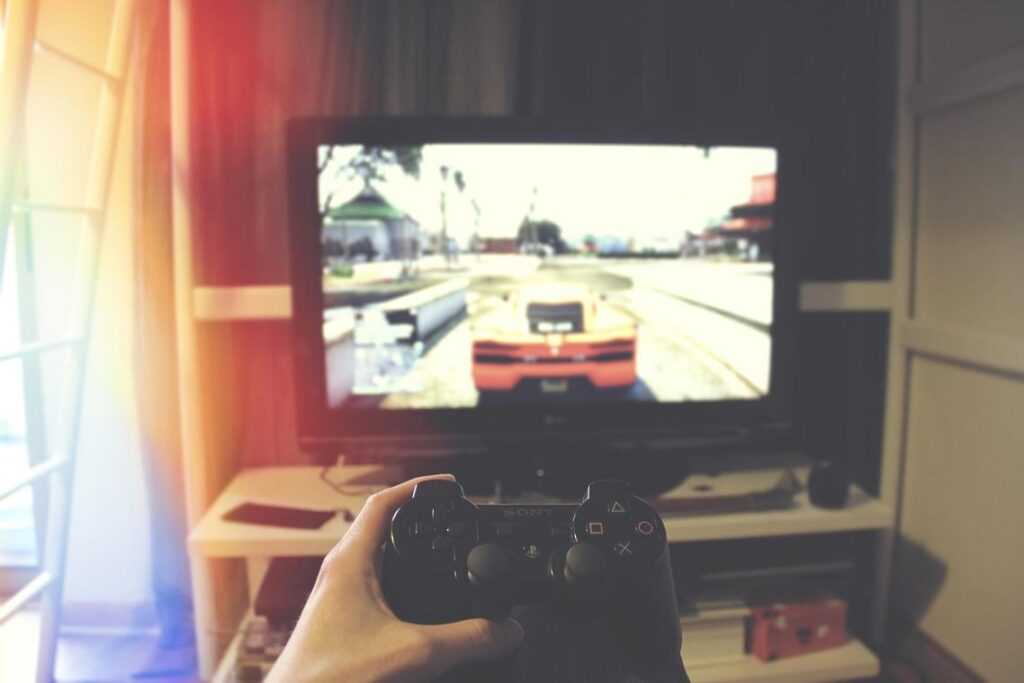
Competitive gaming is no longer just about fast reflexes and mechanical skill. Today’s players are searching for smarter strategies, sharper decision-making, and the mental edge that separates consistent contenders from one-hit wonders. If you’re looking to level up your performance, understand evolving game mechanics, or refine your approach to high-stakes matches, this article is built to guide you there.
We break down the most effective interactive game mechanics, advanced esports strategies, and practical skill hacks that translate directly into better in-game results. Whether you compete in ranked ladders, organized tournaments, or aspire to go pro, you’ll find actionable insights rooted in real competitive analysis and current meta trends.
Our approach draws from deep study of professional gameplay, emerging play-centric genres, and performance psychology—including proven methods in esports mental training that help players stay focused, adaptable, and resilient under pressure. By combining strategic breakdowns with practical application, this guide gives you clear, reliable direction so you can play smarter, compete harder, and improve with purpose.
Your Brain is the Ultimate Peripheral: The Mental Edge in Esports
The biggest gap between good and elite players isn’t their mouse; it’s the processing speed between their ears. When you hit a plateau, grinding mechanics gives diminishing returns because the real bottleneck is cognitive. After reviewing thousands of pro match hours, one pattern is clear: faster decisions beat faster clicks.
So, what can you do? First, review VODs and pause before key fights, predicting outcomes. Next, run five-minute reaction drills, then immediately scrim to transfer gains. Finally, practice esports mental training routines—breathing resets, cue words, and reflections—to sharpen consistency.
Deconstructing the Gamer’s Mind: The Core Cognitive Skills to Master

Selective Attention & Focus
Selective attention is your brain’s ability to filter irrelevant noise and lock onto critical cues. In tactical FPS titles like Valorant or CS:GO, that means ignoring flashy skins, chat spam, and background chaos to catch a single footstep or a faint minimap ping. I’d argue this is the difference between casual aim and clutch potential. Some players claim raw aim matters more—but without focus, aim is just wasted motion (like swinging at shadows).
Processing Speed & Reaction Time
Simple reaction time is “see target, click target.” Complex reaction time adds layers: see the threat, identify it, decide the response, execute. In a League of Legends teamfight, instantly flashing away from Malphite’s ultimate isn’t just reflex—it’s recognition plus decision-making under pressure. That layered speed is trainable through deliberate practice and esports mental training. And yes, genetics play a role—but preparation often beats raw talent.
Working Memory
Think of working memory as your brain’s RAM. It temporarily stores and manipulates information: enemy cooldowns, jungle pathing, ally positioning, win conditions. When players say they “lost track,” this system overloaded. I believe upgrading this skill quietly raises every other stat.
Spatial Awareness
Spatial awareness is maintaining a mental map without direct sight. In Apex Legends or Fortnite, predicting rotations based on zone pressure and sound cues separates survivors from spectators. Is it instinct? Not really—it’s pattern recognition built over time.
The Mental Gym: Actionable Drills to Boost Your In-Game IQ
Think of your mind like a GPU. If it overheats, frames drop. If it’s optimized, everything runs smoother. The goal of esports mental training isn’t mystical focus—it’s faster processing under pressure.
Visualization Training: Rehearse Before You Spawn
Visualization is your private scrim room. Before a VALORANT match, close your eyes and mentally walk through a site take:
- Picture your team’s utility usage in order
- Visualize common enemy positions
- Pre-aim specific angles
- Imagine your crosshair placement as you swing
This isn’t daydreaming. You’re strengthening neural pathways the same way physical reps build muscle (studies on motor imagery show overlap between imagined and physical execution; see Guillot & Collet, 2008). When the real round starts, your brain treats it like déjà vu. Familiar situations require less cognitive load, improving spatial awareness and decision speed.
Some argue visualization can’t replicate chaotic matches. True—nothing copies live unpredictability. But rehearsing patterns reduces hesitation, and hesitation loses duels.
Mindfulness & Tilt Control: Cooling the CPU
After a bad death, try this 5-minute reset:
- Inhale for 4 seconds
- Hold for 4
- Exhale for 6
- Repeat for five minutes
Slow breathing activates the parasympathetic nervous system, calming the amygdala (your threat alarm) and restoring control to the prefrontal cortex—your decision-making center (Arnsten, 2009). In simple terms: fewer rage peeks, more smart plays.
Some players say anger fuels aggression. Occasionally, yes. But chronic tilt narrows attention and increases impulsive decisions (Pessoa, 2009). Controlled intensity beats emotional chaos.
Structured VOD Review: Train Pattern Recognition
Don’t just watch replays—hunt patterns. Load a match from an opponent’s POV. Before each engagement, pause and predict their move. Then press play.
It’s like chess puzzles for FPS. You’re teaching your brain to recognize setups faster in real time.
Decision-Making Drills: The OODA Loop
Observe. Orient. Decide. Act.
Watch a pro VOD and verbally call out each stage for the player you’re spectating. This sharpens your internal timing. Over time, your loop tightens.
And if you’re juggling content and competition, mastering these drills pairs well with balancing streaming and competitive play a pros workflow.
Train your mind like an athlete trains mechanics. The aim isn’t perfection. It’s faster clarity when the clutch hits.
Peak performance in competitive gaming is not just about faster reflexes; it’s about sharper thinking. So, let’s clarify the tools that actually train your brain.
Cognitive trainers like KovaaK’s and Aim Lab aren’t only for raw aim. Certain scenarios, such as target-switching drills, force you to track multiple threats while updating priorities. That taxes working memory—your brain’s ability to hold and manipulate information—and selective attention, which filters distractions. In other words, you’re training decision speed, not just crosshair placement.
Meanwhile, dedicated brain training apps like Lumosity or BrainHQ build processing speed and recall during downtime. Think of them as cross-training for your mind (the mental equivalent of leg day). However, no app replaces physiology.
Sleep, nutrition, and hydration are non-negotiable. Sleep deprivation slows reaction time and impairs judgment, effectively lowering your skill ceiling before the match loads. Research shows even moderate sleep loss reduces cognitive throughput and accuracy (Walker, 2017). Therefore, esports mental training starts with eight solid hours. Pro tip: hydrate consistently; mild dehydration alone can dent focus and reaction speed. So, before chasing microseconds, ask: are you fueling the hardware that runs the software?
Consistency compounds, turning small cognitive gains into match-winning advantages. Over time, results follow. Naturally.
Loading Your New Mental Software
If your mechanics have plateaued, grinding more hours won’t magically rank you up. You’ve felt the frustration of hovering at the same tier despite endless reps. However, the bottleneck isn’t your mouse hand; it’s your mind. That’s why esports mental training matters. It upgrades the core processor—the brain—so every scrim, VOD review, and aim drill compounds faster. Start simple. Add one focused 15-minute visualization or pressure-rep drill to your daily warmup for 30 days. Then track clutch consistency and decision clarity. Pro tip: schedule it before queueing so it’s non-negotiable. Results will follow. Stay disciplined.
Just as athletes refine their mental strategies to excel in high-stakes competitions, the innovative designs showcased in the Uggworldtech Games Of The Year illustrate how technology can elevate performance and inspire excellence across various fields.
Level Up Your Competitive Edge
You came here to sharpen your edge, refine your strategy, and understand what truly separates casual players from consistent winners. Now you have the framework—stronger mechanics, smarter decision-making, adaptive strategies, and the discipline that fuels long-term growth.
But here’s the truth: raw talent isn’t the problem. Plateaus, inconsistency, and mental fatigue are. That frustration of knowing you could perform better—but not seeing it show up in ranked matches or tournaments—holds too many players back.
The difference-maker is deliberate practice combined with esports mental training. When you build resilience, focus under pressure, and structured skill routines into your grind, improvement stops being random and starts being predictable.
Now it’s your move.
Apply one new strategy from this guide in your next session. Track your performance. Refine your approach. If you’re serious about breaking through skill ceilings and competing at a higher level, commit to a structured improvement plan today. Players who train with intention win more—period.
Your next rank, your next win streak, your next breakthrough starts with what you do after this. Step back into the game with purpose—and play to win.