
If you’re searching for sharper skills, smarter strategies, and a deeper edge in competitive gaming, you’re in the right place. Whether you’re grinding ranked ladders, exploring new metas, or debating fighting vs strategy games, understanding the mechanics behind top-level play is what separates casual participation from consistent wins.
This article is built for players who want more than surface-level tips. We break down interactive game mechanics, competitive tactics, genre-specific decision-making, and skill-building shortcuts that actually translate into better in-game performance. From execution-heavy combos to long-term tactical planning, you’ll gain practical insights you can apply immediately.
Our analysis draws from competitive match breakdowns, evolving esports strategies, and deep mechanical study across multiple play-centric genres. Instead of recycled advice, you’ll find focused guidance designed to help you think faster, adapt smarter, and compete with confidence in today’s rapidly evolving gaming landscape.
Reflex or Reason?
When people debate fighting vs strategy games, they’re really arguing about speed versus foresight.
I’ve always felt your controller choice reveals your brain’s wiring. Action titles demand reflexes—split-second inputs, muscle memory, adrenaline. Strategy asks for planning, resource management, and patience that borders on chess-like obsession. Some argue mechanics overlap, and they do. But the psychological loop differs. One rewards reaction; the other rewards restraint. Think Street Fighter versus Civilization: one is a jab, the other a long con. If you crave chaos, lean reflex. If you savor control, lean intellect. Neither is superior—but knowing yourself is everything.
The Heart of the Action: The Thrill of a Split-Second Decision
Action games are defined by fast-paced, real-time challenges that test coordination and reaction speed—think FPS titles, fighting games, and platformers. The core gameplay loop is simple but brutal: See → React → Execute. You spot the threat, process it instantly, and respond with precise movement, aim, or combo timing.
Some players argue slower experiences are more “intellectual,” especially in fighting vs strategy games debates. Strategy absolutely rewards planning. But action games demand decision-making under pressure. It’s chess at 200 beats per minute (with less time to sip your coffee).
The appeal? Adrenaline and mechanical mastery. Every win feels earned because your hands made it happen. You didn’t out-wait an opponent—you outplayed them in the moment.
If you want to improve, here’s what I recommend:
- Run aim drills daily (10–15 minutes builds consistency fast).
- Practice movement in empty maps to develop fluid control.
- Study hitboxes—hitboxes are invisible areas where the game registers contact (knowing them turns “luck” into skill).
- Record matches and review missed reactions.
Muscle memory—automatic physical responses built through repetition—is the real power-up. Train deliberately, not randomly. Pro tip: short, focused sessions beat marathon grinds. Your reflexes sharpen when practice has purpose.
The Mind of the Strategist: The Power of a Long-Term Plan
Have you ever wondered why some players seem three steps ahead before the match even begins? Strategy games are defined by deliberate, often turn-based challenges that reward foresight and planning—think RTS (real-time strategy), 4X games (explore, expand, exploit, exterminate), grand strategy, and turn-based tactics. Unlike twitch-heavy fighting vs strategy games, the thrill here is mental, not mechanical.
At the heart of the genre lies the core loop: Analyze. Plan. Act. You assess resources, map control, and enemy patterns. You craft a build order (a pre-planned sequence of structures or units). Then you execute—adjusting as new information appears. Sound familiar?
Why does this feel so satisfying? Because victory is intellectual. When a multi-stage economic plan snowballs into an unstoppable late-game army, it’s the payoff of patience. It’s chess with particle effects (and sometimes lasers).
Professional players take this further through information control—denying scouting, masking intentions, and optimizing long-term value. They ask: Is this trade worth it five minutes from now? Should I sacrifice tempo for expansion?
The strategist’s edge is clarity over chaos. So next time you queue up, ask yourself: are you reacting… or orchestrating?
Key Battlegrounds: A Head-to-Head Mechanical Breakdown
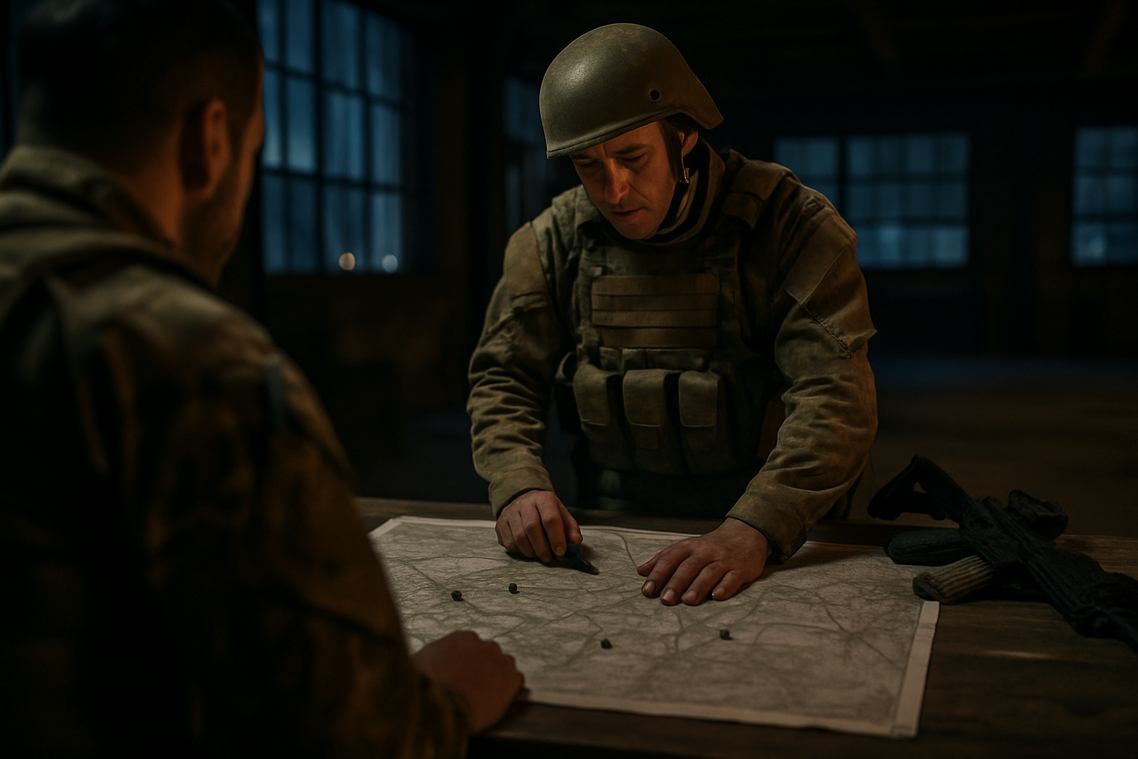
Pacing and Time: Real-Time vs. Turn-Based/Pausable
Time is the invisible referee. In real-time games, every second compounds pressure; hesitation equals punishment. Turn-based or pausable systems slow the clock, letting players calculate outcomes before committing. This difference shapes cognition: real-time environments increase cognitive load and reaction stress (see research on time pressure and performance, APA, 2018). If you thrive on adrenaline, choose speed. If you prefer calculated control, choose systems that let you breathe. Pro tip: test both modes for a week each—your stress tolerance will tell you more than reviews ever could.
Decision-Making: Micro vs. Macro
Here’s the core split in fighting vs strategy games. Micro-decisions are moment-to-moment inputs—dodging, aiming, frame-perfect counters. Macro-decisions operate at scale—army composition, tech trees, map control. Micro rewards dexterity and muscle memory (think EVO finals hype). Macro rewards foresight and planning, like a chess grandmaster thinking 12 moves ahead. Neither is “harder”—they tax different neural pathways (Nature Reviews Neuroscience, 2020). Choose based on whether you enjoy reflex refinement or long-term orchestration.
Resource Management: Immediate vs. Economic Engines
Action titles focus on short-cycle resources: ammo, stamina, cooldowns. Strategy titles build long-term economies—gold flow, population caps, production rates. One asks, “Can I survive this fight?” The other asks, “Can I sustain a war?” If you enjoy budgeting and scaling systems, lean macro-heavy.
Path to Victory
Out-execute or out-think? That’s the question. If you want twitch mastery, go real-time. If you want layered dominance, explore titles discussed in comparing fps moba and battle royale skill demands explained. Choose the battlefield that matches how you want to win.
The Crossover Skillset: When Action Teaches Strategy (and Vice Versa)
The line between strategy (long-term planning and decision-making) and execution (precise mechanical input under pressure) is thinner than most players think. In action titles, recognizing patterns, tracking cooldowns (timers before abilities can be reused), and controlling positioning are strategic acts. Studies on esports performance show that elite players outperform peers not just in reflex speed, but in decision accuracy under stress (Frontiers in Psychology, 2021).
In RTS environments, high Actions-Per-Minute (APM) isn’t button-mashing—it’s disciplined execution of a macro plan. A 2013 StarCraft II analysis found professionals average 300+ APM while maintaining superior resource efficiency, proving mechanics amplify strategy.
Consider fighting vs strategy games: one emphasizes split-second reads, the other long-term control—but champions in both blend foresight with precision.
Hybrid MOBAs like League of Legends and Dota 2 demand both map-level planning and pixel-perfect timing. (It’s chess at 200 clicks per minute.)
For deeper genre breakdowns, explore https://en.wikipedia.org/wiki/Multiplayeronlinebattle_arena.
Strategy informs action. Action refines strategy.
Choosing Your Battlefield: Finding Your Perfect Playstyle
By now, you understand the difference between snap reactions and slow-burn planning. However, I believe the real question isn’t which genre wins, but which mindset fuels you. In fighting vs strategy games, the thrill comes from entirely different muscles. Some players chase adrenaline; others savor control. Personally, I lean toward strategy because outthinking an opponent feels like chess in a blockbuster. Still, reflex-driven wins can feel electric.
| Style | What You Love |
| Action | Speed, chaos, clutch moments |
| Strategy | Planning, positioning, patience |
Therefore, reflect on your proudest victory. Was it perfect reflexes or brilliant planning?
As players dive into the debate of Fighting Games vs. Strategy Games, the mastery of mechanics and tactics often draws parallels to the anticipation surrounding new releases like ‘Is the Game Playonit55 Released Yet,’ which might just add an intriguing layer to this ongoing discussion.
Take Control of Your Competitive Edge
You came here to better understand interactive mechanics, sharpen your edge in fighting vs strategy games, and find smarter ways to compete. Now you have the clarity to recognize how play styles, decision-making, and tactical execution separate casual players from serious contenders.
The biggest frustration for competitive players isn’t lack of passion — it’s hitting skill ceilings, misreading opponents, or feeling stuck while others level up. Mastery requires more than practice. It demands insight, structure, and strategies that actually work under pressure.
Start applying what you’ve learned today. Break down your gameplay, refine your mechanics, and approach every match with intentional strategy instead of instinct alone. Focus on skill-building drills, analyze pro-level tactics, and turn weaknesses into calculated strengths.
If you’re ready to stop plateauing and start dominating, dive deeper into advanced breakdowns and proven competitive insights trusted by serious players. Level up your approach, sharpen your strategy, and take your next win with confidence.