
Gaming is no longer just about playing—it’s about mastering mechanics, understanding meta shifts, and staying ahead in an ecosystem shaped by streaming and evolving player expectations. Whether you’re looking to sharpen your skills, break into esports, or better understand how interactive systems shape performance, this article is built to give you clear, actionable insights.
Players today face an overwhelming flood of updates, patches, tier lists, and strategy breakdowns. The real challenge isn’t finding information—it’s knowing what actually improves gameplay and what’s just noise. Here, we cut through the clutter to focus on practical mechanics, smart decision-making, and the deeper systems that influence outcomes, including the ever-critical concept of competitive balance.
Our analysis draws from hands-on gameplay study, esports trend evaluation, and close tracking of genre evolution. The goal is simple: help you play smarter, adapt faster, and understand the strategic layers that separate casual play from high-level performance.
The Unseen Hand: How Platforms Shape the Future of Fair Play
Streaming platforms now function as gatekeepers of esports visibility. Algorithms prioritize watch time, subscriber spikes, and ad-friendly formats; consequently, veterans with built-in audiences surface first. Meanwhile, discoverability tools, revenue splits, and recommendation loops quietly influence streaming and competitive balance. For example, Twitch’s front-page rotations and YouTube’s suggested feeds disproportionately amplify established channels (as rising players learn the hard way). However, critics argue merit wins out. Yet data from platform analytics dashboards shows exposure correlates with engagement. Therefore, creators must optimize metadata, schedule consistency, and cross-platform funnels to compete effectively.
Algorithmic Advantage: The Discoverability Dilemma
To master the balance between streaming and competitive play, it’s crucial to develop a workflow that maximizes performance, especially when diving into demanding titles like Game Civiliden Ll5540 On Pc.
Back in 2019, when major platforms doubled down on watch time as their north-star metric, a subtle shift became impossible to ignore. The biggest streamers kept getting bigger. This is the “Rich Get Richer” effect—a feedback loop where recommendation engines amplify channels already generating high engagement. In simple terms, an algorithm (a rules-based system that decides what content you see) favors proven performers. More visibility leads to more clicks. More clicks signal success. And the cycle tightens.
Some argue this is fair. After all, if audiences clearly prefer top creators, shouldn’t platforms reflect that demand? There’s logic there. But the counterpoint is hard to dismiss: when discovery systems overwhelmingly reward existing popularity, new talent struggles to surface—no matter their skill ceiling.
Consider how blockbuster titles like Valorant and League of Legends dominate recommendation rows. Emerging competitive scenes often get buried, starving smaller communities of the visibility needed for growth. Over time, this shapes streaming and competitive balance in ways that extend beyond entertainment—it influences sponsorships, tournament viability, even player career paths.
Then there’s the “front page” effect. Securing homepage placement can spike viewership overnight, creating what feels like an insurmountable lead. Yet transparency around these selections remains limited (and that mystery fuels speculation).
Creators face a dilemma:
- Showcase high-level gameplay mastery.
- Engineer content optimized for clicks, thumbnails, and retention spikes.
Ideally, those align. In practice, they often don’t. Skill earns respect. Algorithm-friendliness earns reach. And in a system tuned for engagement, reach usually wins.
Monetization Models and Competitive Integrity
Monetization isn’t inherently bad. In fact, it keeps tournaments running and creators paid. However, certain models can quietly distort competitive focus.
The Influence of “Gift-Bombing”
When viewers pay for flashy on-screen alerts or leaderboard spots—often called gift-bombing (bulk purchasing digital gifts for attention)—the stream can shift from gameplay to spectacle. Instead of clutch plays, the spotlight follows whoever spends the most. Think less “grand finals,” more “telethon.”
Recommendation: If you’re a competitive streamer, cap on-screen alerts during ranked or tournament play. Preserve streaming and competitive balance by separating hype segments from high-stakes matches.
Subscription Perks and Exclusivity
Subscriber-only chats and modes create a gated layer of access. Supporters deserve perks, yes—but a two-tiered conversation can erode the open arena feeling that defines esports.
A better approach? Offer value (emotes, VOD access, strategy breakdowns) without restricting core interaction. Competitive communities thrive on shared moments, not velvet ropes.
Platform-Specific Currencies
Virtual currencies like Bits or Stars form a closed-loop economy—money flows in, but largely stays within the platform (see: Twitch monetization structure, Amazon earnings reports). Naturally, algorithms reward content that drives these purchases.
Pro tip: Diversify revenue streams outside platform currencies to reduce incentive distortion.
The Pressure to “Sell Out”
Professional players often feel nudged toward monetization tactics that clash with their skill-first identity. Yet sustainable careers sometimes require evolution. Exploring alternative career paths in esports beyond being a player can reduce reliance on aggressive monetization.
Ultimately, choose models that amplify competition—not overshadow it.
Platform Exclusivity and the Fragmented Arena
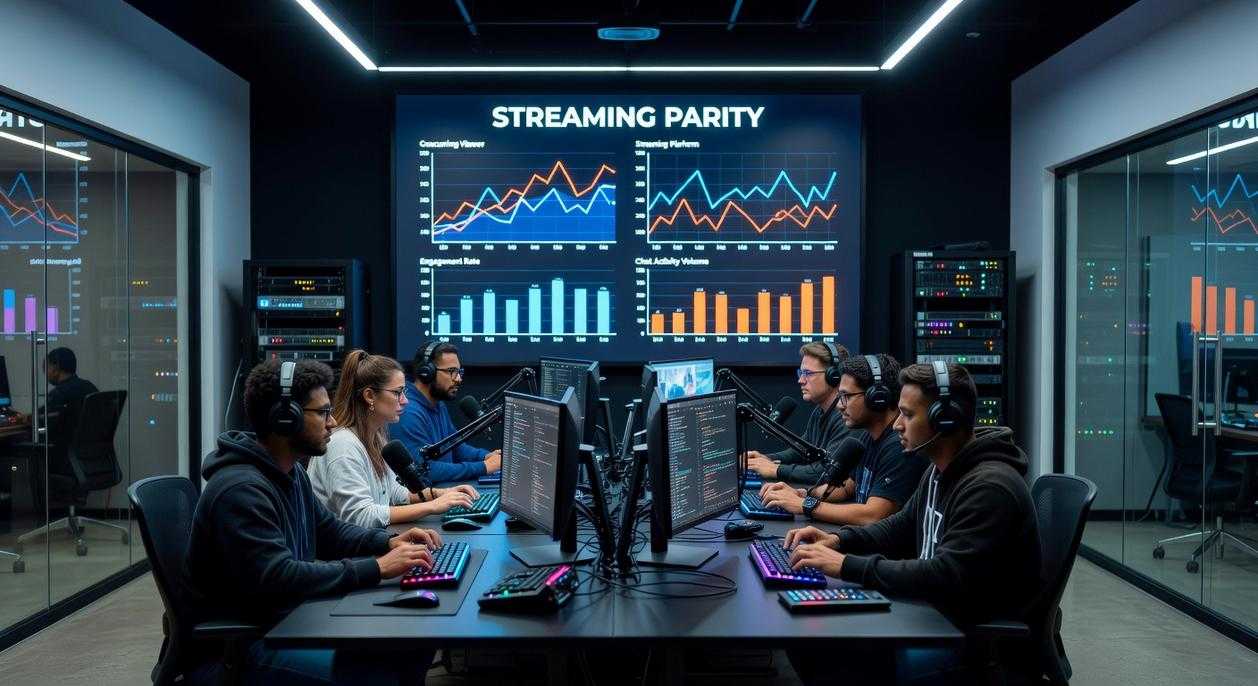
Platform exclusivity might look like a power move at first. Big contracts, star players locked in, guaranteed audiences. On paper, it feels like stability. But in my view, it’s more like building a mansion inside a gated community—impressive, yet isolated.
Walled Gardens of Competition
When elite players sign exclusive deals, their communities follow. Over time, that creates echo chambers. We’ve seen this before in streaming wars, where creators jumping platforms caused measurable audience drops (Reuters, 2020). The same logic applies to esports. If fans can’t easily follow rivalries across platforms, storylines weaken. And without shared storylines, hype fades (no one replays a finals match they never saw).
Splitting the Audience
Fragmentation dilutes tournament viewership and cross-community engagement. Some argue exclusivity drives platform investment, improving streaming and competitive balance. I disagree. Investment helps, sure—but divided ecosystems struggle to sustain unified rankings, shared metas, and consistent narratives.
The Talent Pipeline Problem
Most concerning, siloed stars block visibility for emerging players elsewhere. If scouts and sponsors stay platform-loyal, underdogs remain invisible. And without fresh challengers, the competitive hierarchy calcifies. Esports should evolve like open-source software—iterative, competitive, and accessible. Otherwise, we’re just watching the same boss fight on repeat.
The Path to Parity: Solutions for a Balanced Ecosystem
Platform-Level Reform: Transparency That Actually Works
For platforms operating out of LA, Seoul, or Berlin’s esports hubs, algorithmic clarity shouldn’t be a trade secret. Publish promotion criteria. Add dedicated Rising Star carousels. Build genre-specific discovery tabs for FGC, MOBA, and tac-shooter communities. When viewers understand why a channel trends, trust increases (and conspiracy threads on Reddit decrease). Critics argue full transparency invites exploitation. Fair—but controlled disclosures and periodic audits can protect integrity without sacrificing growth. THIS IS ABOUT LONG-TERM ECOSYSTEM HEALTH, not short-term ad spikes.
Creator Strategy: OWN YOUR AUDIENCE
Relying solely on Twitch’s front page or YouTube’s recommendation graph is risky. Smart creators diversify: Discord hubs, Patreon tiers, IRL meetups at DreamHack, even newsletter funnels. Multi-platform clips keep visibility high while insulating against algorithm swings.
Organizer Responsibility: Platform-Agnostic First
Tournament organizers should negotiate simulcasting rights and neutral overlays. A unified broadcast preserves streaming and competitive balance, keeping focus on clutch plays—not which platform won exclusivity.
Leveling the Playing Field for Tomorrow’s Champions
We’ve restated the challenge: biased systems tilt outcomes before the match even begins. Have you ever wondered why certain players always seem surfaced, sponsored, and spotlighted? Is it skill—or code?
True fairness in streaming and competitive balance demands two commitments:
- Platforms must design transparent algorithms
- Creators must diversify income and audiences
Some argue platforms already reward merit. But if discovery is opaque, how can merit be measured?
What kind of arena do you want future champions to enter? One ruled by hidden levers—or one where practice, strategy, and grit decide the winner? Today.
Level Up Your Competitive Edge
You came here to sharpen your understanding of interactive mechanics, esports strategy, and the evolving dynamics that shape modern play. Now you have a clearer roadmap for navigating skill development, smarter decision-making, and the systems that define today’s competitive titles.
The reality is this: falling behind on mechanics, meta shifts, or competitive balance updates can cost you matches, rankings, and momentum. In fast-moving environments influenced by patches, player innovation, and even streaming trends, hesitation means disadvantage. Staying informed isn’t optional—it’s your edge.
The solution is consistent, focused improvement paired with insights that translate directly into performance. Study the mechanics. Analyze evolving metas. Apply targeted skill hacks. Then test, refine, and repeat.
If you’re serious about climbing the ranks and dominating your matches, don’t leave your growth to chance. Get the latest play-centric strategies, esports breakdowns, and pro-level insights trusted by competitive players who refuse to settle. Start applying what you’ve learned today and turn your next session into your strongest performance yet.
