

If you’re searching for a deeper understanding of platformer game mechanics, you’re likely looking for more than surface-level tips. You want to know how movement systems, level design, timing windows, and player feedback loops actually shape performance—whether you’re a competitive player, aspiring designer, or passionate fan of skill-based games.
This article breaks down the core mechanics that define modern platformers, from jump physics and momentum control to hitbox precision and difficulty scaling. We’ll explore how these elements influence competitive play, speedrunning strategies, and skill progression, giving you practical insights you can apply immediately.
Our analysis draws on competitive gameplay research, developer commentary, and hands-on testing across multiple titles to ensure accuracy and relevance. By the end, you’ll have a clear framework for evaluating platformer systems, improving execution, and recognizing what separates good design from truly elite mechanical depth.
The Art of the Leap: Deconstructing Platformer Movement
Jumping from one platform to another seems simple, yet it powers gaming’s most iconic moments. So why does one leap feel perfect while another feels off? The answer lies in precise platformer game mechanics. Many players sense quality but struggle to define it. This guide clarifies the core elements that shape responsive movement and smarter level design.
| Mechanic | Purpose |
| Jump Arc | Controls height and hang-time |
| Coyote Time | Grants late jump forgiveness |
| Input Buffer | Stores early button presses |
Together, these systems create fair, satisfying challenge. You’ll understand exactly how. And why they matter.
Foundational Pillars: The Core Movement Toolkit
Mastering movement is the difference between reacting and commanding a game world. When you understand the foundations, every level becomes less frustrating—and far more fun.
Horizontal Movement starts with walking and running, but the real skill lies in acceleration and deceleration. Acceleration is how quickly your character reaches top speed; deceleration is how efficiently they slow down. A “hard stop”—an immediate halt without sliding—gives you precision on tight platforms. The benefit? Cleaner inputs, fewer missed jumps, and tighter speedruns. (Nothing hurts like sliding into a spike because you couldn’t stop in time.)
The Jump is the heartbeat of platformer game mechanics. Variable jump height—tapping for a short hop, holding for full lift—lets you sculpt your arc midair. Games like Super Mario Bros. and Celeste thrive on this control. When you master jump arcs, you gain:
- Better obstacle navigation
- Safer enemy clears
- Faster recovery from mistakes
Gravity and Falling shape the game’s feel. Faster falls increase intensity; controlled descents improve precision. Then there’s coyote time—a brief window allowing a jump just after leaving a ledge. This player-friendly buffer boosts confidence and reduces frustration.
Learn these pillars, and every movement becomes intentional, efficient, and empowering.
Expanding the Moveset: Advanced Traversal Mechanics
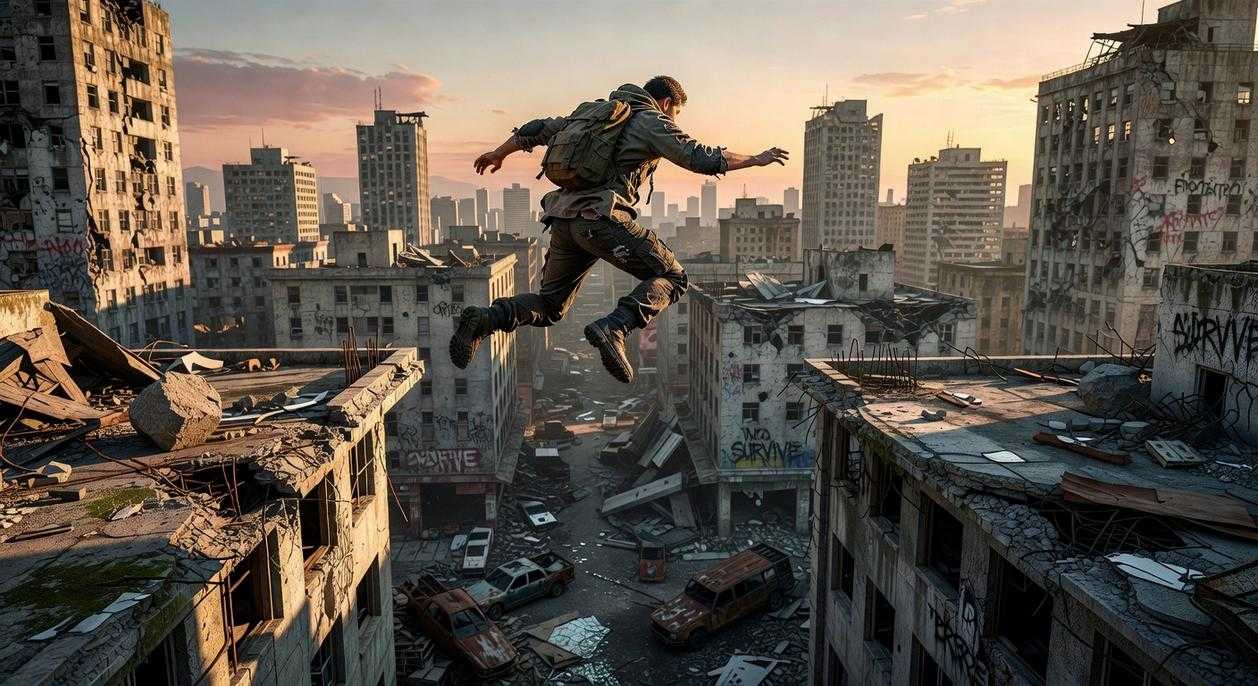
Advanced traversal isn’t just about flashier movement—it’s about redefining how space itself functions. Many analyses stop at “it feels good.” Let’s go deeper.
Vertical Traversal – The Wall Jump
A wall jump—the ability to leap off vertical surfaces—turns flat corridors into layered playgrounds. In Mega Man X and Super Metroid, vertical shafts become skill checks, secrets hide in narrow crevices, and level designers can stack challenges upward instead of outward. This mechanic transforms walls from barriers into tools. (Suddenly, gravity feels negotiable.)
Some argue wall jumps overcomplicate level design, overwhelming newcomers. Fair. But when gated properly—early safe spaces, later precision climbs—they teach mastery through repetition. The real competitive edge? Designers can create “soft skill gates,” where player technique—not keys—unlocks progress.
Aerial Mobility – Double Jumps and Air Dashes
A double jump grants a second midair leap, acting as both extension and insurance. In Guacamelee!, it’s a calculated safety net—miss slightly, recover gracefully. An air dash, like in Hollow Knight (Dash), adds horizontal burst velocity, enabling gap clears and last-second hazard dodges.
Critics say double jumps reduce tension by forgiving mistakes. But that forgiveness encourages experimentation. Players attempt riskier routes because recovery exists. Pro tip: Pair air dashes with environmental hazards to convert freedom into high-skill expression.
Swinging and Grappling
Momentum-based traversal—seen in Bionic Commando and Ori and the Blind Forest—creates rhythmic navigation loops. Grapple points function as spatial metronomes, rewarding timing over button mashing. This is where platformer game mechanics evolve into kinetic choreography.
Unlike static jumps, swinging systems encourage flow states—continuous, expressive movement. For broader design parallels, see the evolution of sandbox games and player creativity.
Traversal isn’t mobility. It’s authored freedom.
Interacting with the World: Obstacles and Environmental Tools
Great platformers aren’t just about jumping—they’re about reading the room. The environment is both your obstacle and your ally. If you want to improve quickly, start by understanding how each element changes your timing and positioning.
Static and Dynamic Platforms
Not all ground is created equal.
- Standard platforms are stable and predictable. Use them to reset your rhythm.
- Moving platforms force you to sync your jump with their path (hesitate, and you’re falling).
- Crumbling blocks demand commitment—once you land, the clock starts ticking.
- Conveyor belts subtly shift your momentum, often causing mistimed jumps if you don’t compensate.
My recommendation: practice short hops and delayed jumps on moving and crumbling surfaces. Precision beats panic every time.
Climbing and Ledges
Grabbing ledges, climbing ladders, or scaling vines slows the pace and shifts the challenge from reflex to control. This is where positioning matters more than speed. Line up your character before jumping toward a ledge—don’t rely on last-second corrections.
Pro tip: release directional input briefly before grabbing a ledge to avoid overshooting (yes, that tiny adjustment makes a difference).
Environmental Puzzles
Pushing blocks to form new paths, hitting switches to unlock doors, or bouncing off enemy heads to gain height are classic platformer game mechanics. They reward observation over brute force.
If you’re stuck, stop moving and scan the level. Look for:
- Misaligned gaps that hint at movable objects
- Elevated switches
- Enemies positioned suspiciously near vertical walls
The smartest players treat the environment like a toolkit, not a threat. When you start thinking that way, levels stop feeling unfair—and start feeling solvable.
Subtle Skills: Nuanced Mechanics That Add Depth
Small moves often separate casual play from mastery. Take the slide. In games like Mega Man, sliding under tight gaps lets you preserve speed while dodging low attacks. To practice, approach obstacles at full run, tap down and jump in one smooth motion, and avoid overcorrecting mid-slide.
Next, consider the ground pound. Popularized by Super Mario 64 and echoed in Shovel Knight, this stomp breaks weak floors and crushes enemies below. Use it deliberately: jump, confirm your landing zone, then commit so you do not bounce into danger.
Finally, momentum systems turn movement into strategy. In Sonic the Hedgehog, maintaining velocity is the puzzle. Hold forward on slopes, release briefly before sharp inclines, and treat loops as investments in speed. Mastering these platformer game mechanics adds depth that feels almost musical, like nailing a perfect combo in a fighting game. Practice builds precision.
The Hidden Architecture
The best side-scrollers aren’t stitched moves; they’re orchestrated systems. platformer game mechanics interlock like gears, shaping rhythm, risk, and reward. Critics say flash matters more than flow, but cohesion beats spectacle. Study the symphony, and you unlock design advantages others overlook—timing, feedback, and friction tuned as one.
As we explore the enduring appeal of platformer games and their robust core mechanics, it’s intriguing to consider how these foundational elements remain relevant amidst evolving trends in the industry, such as those highlighted in our recent article on Gaming Trend Tgarchirvetech.
Level Up Your Competitive Edge
You came here to sharpen your understanding of interactive systems, esports strategies, and the nuances that separate casual players from true competitors. Now you have a clearer view of how smart decision-making, refined mechanics, and deeper knowledge—especially in platformer game mechanics—can dramatically elevate your performance.
The frustration of hitting skill plateaus, losing close matches, or feeling stuck despite hours of practice is real. Most players grind harder. The best players train smarter. They analyze patterns, optimize movement, and apply intentional strategy to every session.
Now it’s your move.
Start applying one advanced mechanic at a time. Break down your gameplay, study positioning, refine timing, and track measurable improvements. Small adjustments create competitive advantages.
If you’re serious about dominating your matches instead of barely surviving them, dive deeper into our expert-backed breakdowns and advanced skill hacks. Join thousands of competitive players already leveling up their play. Don’t just play the game—master it.