

The gaming world is evolving at a pace that even seasoned players and industry veterans are struggling to keep up with. If you’re searching for clarity on gaming industry trends 2026, you’re likely looking for more than headlines—you want to understand what’s actually shaping the future of play, competition, and interactive experiences.
This article breaks down the most important shifts defining the year ahead, from next-gen mechanics and AI-driven gameplay to the evolution of esports ecosystems and monetization models. We focus on what these changes mean for players, creators, and competitive strategists—not just what’s trending, but what’s transformative.
To ensure accuracy and depth, we’ve analyzed current market data, competitive gaming developments, and insights from professional-level play to separate hype from real momentum. By the end, you’ll have a clear, actionable understanding of where the industry is heading—and how to stay ahead of it.
The State of Play: Where Gaming Stands on the Brink of 2026
The global gaming market is no longer a niche; it is a cultural and economic titan. However, acceleration is reshaping everything from development pipelines to esports arenas. For players, developers, and investors, tracking gaming industry trends 2026 means spotting opportunity before it goes mainstream. More adaptive AI (artificial intelligence that learns from player behavior) promises smarter opponents and personalized quests. Meanwhile, cross-platform ecosystems expand audiences and revenue. The benefit? Clearer insight today positions you to compete, invest, and play with confidence tomorrow. That edge compounds over time significantly.
The AI Revolution: Redefining Interactive Mechanics
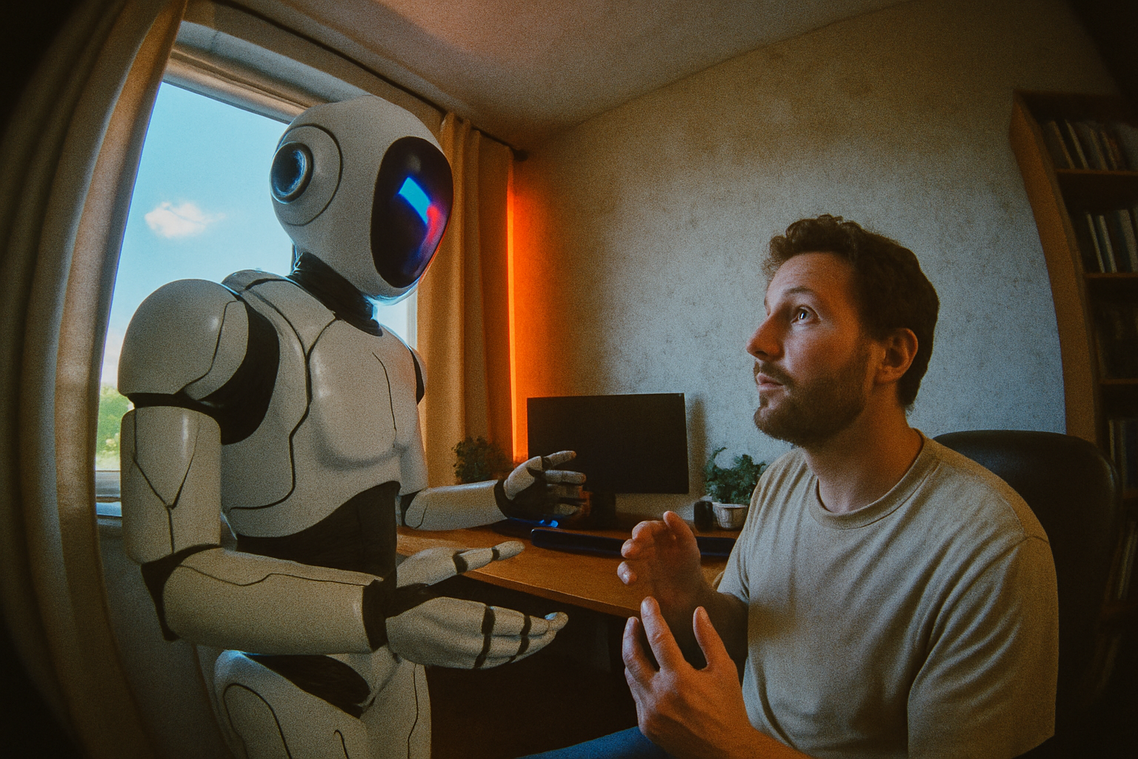
The next leap in interactive design isn’t better graphics—it’s smarter systems. Generative AI (algorithms that create new content on the fly) is shifting games from static maps to living worlds. Instead of replaying the same quest twice, players trigger dynamic events based on their choices. Think less “theme park ride,” more sandbox with a dungeon master.
How studios can apply this now:
- Build modular quest components (locations, motives, rewards) that AI can recombine.
- Feed player behavior data into procedural systems to unlock reactive dialogue.
- Stress-test edge cases so chaos feels intentional, not buggy.
By aligning with gaming industry trends 2026, developers are prioritizing NPCs with memory. These characters track prior encounters, forming persistent attitudes. If you betray a faction early, expect inflated prices later (actions have receipts). This creates emergent narrative—unscripted storylines formed through system interaction.
Adaptive gameplay systems push this further. AI-driven difficulty scaling analyzes reaction time, win rates, and strategy patterns to calibrate encounters in real time. Pro tip: cap scaling adjustments to avoid players feeling punished for improving.
For a practical reference on evolving mechanics, explore https://playonit55.com.
The result? Worlds that respond, rivals that remember, and challenges tuned precisely to player skill—like a coach who actually watches your gameplay.
Esports Ascendant: From Niche Competition to Mainstream Entertainment
Esports is no longer just a top-1% winner-takes-all arena. The rise of Tier-2 ecosystems—structured competitive circuits below premier global tournaments—means more players can build sustainable careers. With improved development tools (software that refines gameplay analytics and training efficiency) and regional league systems, aspiring pros gain clearer pathways to paid competition. Critics argue only elite stars will ever earn real income. But expanding sponsorship models and localized media rights suggest otherwise (just look at how regional sports leagues thrive worldwide, per Deloitte’s sports industry outlook reports).
What’s in it for players and fans?
- More career stability beyond championship prize pools
- Greater regional representation and community loyalty
- Expanded sponsorship and brand deals for mid-tier talent
By 2026, interactive broadcasting will transform passive viewing into participation. Expect real-time stat overlays, viewer-voted match modifiers, and built-in fantasy integrations—features aligned with gaming industry trends 2026. Some purists worry this “gamifies” competition too much. Yet interactive layers increase engagement and retention (Nielsen has consistently linked interactivity with longer view times).
Meanwhile, the athlete-as-creator model is redefining success. Players are building training platforms, merch lines, and content brands. Think of it as the esports version of the creator economy—competition plus community.
Pro tip: Diversified revenue streams protect players from volatile prize earnings.
For deeper insight into engagement evolution, explore how live service games are redefining player engagement.
Genre Fusion and the Dawn of the “Meta-Game”
The modern game is no longer just a game—it’s an ecosystem. Increasingly, developers are building “everything” platforms: persistent digital spaces that merge MMO progression systems, creative sandbox tools, and competitive shooter mechanics into one cohesive universe. Think of a world where you raid dungeons at noon, design a custom map in the afternoon, and compete in ranked PvP by night—all under the same avatar. This genre fusion reduces player churn (when users stop playing) and increases lifetime engagement because there’s always a new mode to explore.
User-Generated Content as the Core Loop
At the same time, user-generated content (UGC)—player-created maps, skins, rule sets, and even storylines—is shifting from bonus feature to core gameplay pillar. Platforms that provide built-in creation tools, asset marketplaces, and revenue-sharing models empower communities to act as full-fledged content studios. The benefit? Faster content cycles and deeper player investment (people stick around when they build the playground). Pro tip: Games with robust modding APIs and creator economies often outlast visually superior competitors.
Meanwhile, true cross-play and unified progression are becoming standard expectations. According to gaming industry trends 2026 projections, seamless profiles across PC, console, and mobile will drive retention by eliminating platform lock-in. In other words, your progress travels with you—no resets, no silos, just one persistent identity.
The New Skill Ceiling: How Top Players Will Evolve
The next era of competitive gaming won’t reward repetition—it will reward adaptation. As AI-driven engines generate dynamic maps, reactive enemies, and evolving objectives, memorizing spawn points won’t be enough. The advantage shifts to real-time strategic recalibration—the ability to read patterns, adjust tactics mid-match, and solve unfamiliar problems instantly (think less speedrun muscle memory, more chess grandmaster energy).
Some argue that raw mechanics will always dominate. Precision aim and frame-perfect inputs still matter. But when environments change algorithmically, rigid playbooks collapse. Adaptable players convert chaos into opportunity.
By 2026, elite competitors will rely heavily on:
- Advanced heatmap analytics to track positioning errors
- Reaction-time variance reports tied to fatigue data
- AI-driven VOD breakdowns highlighting missed win conditions
This data-first mindset reflects broader gaming industry trends 2026, where performance dashboards function like wearable tech for esports. The benefit? Faster skill optimization and fewer blind spots.
Finally, soft skills become measurable assets. Clear comms reduce decision latency. Emotional regulation preserves clutch accuracy under pressure. Leadership improves team macro play consistency.
Mechanical ceilings are rising—but the real separator is who can think, adapt, and unify a squad when the script disappears.
Your Next Move
The 2026 gaming landscape rewards adaptable players. Intelligent AI (systems that learn from behavior) now shapes matchmaking and strategy, while esports has gone mainstream. Some argue it’s too complex to keep up. However, mastering gaming industry trends 2026 gives you leverage. By tracking data-driven metrics—performance analytics, reaction times, decision trees—you refine skills faster. Think of your abilities as a portfolio: diversify genres, test platforms, rebalance often. Consequently, you gain resilience, visibility, and competitive edge. Adaptability isn’t optional; it’s your power-up for 2026. Stay flexible, learn continuously, and you’ll turn volatility into opportunity and advantage.
Level Up With Confidence in 2026
You came here to understand where competitive play, evolving mechanics, and esports strategy are heading next. Now you have a clearer picture of how gaming industry trends 2026 are shaping skill ceilings, monetization models, player engagement, and the competitive landscape.
The reality is simple: the skill gap is widening. Games are becoming more technical, esports is more data-driven, and casual players are being left behind by those who adapt early. If you don’t stay ahead of emerging mechanics, meta shifts, and performance strategies, you risk falling behind in ranked ladders, tournaments, and content opportunities.
That’s why your next move matters.
Act now: start refining your mechanics with structured practice, track meta changes weekly, and study high-level competitive breakdowns instead of relying on outdated tactics. Commit to mastering the systems that are defining modern play.
The players who win in 2026 won’t just grind harder — they’ll train smarter. Join thousands of competitive gamers already sharpening their edge with proven strategies and performance insights. Dive deeper today and turn your playtime into real progress.
