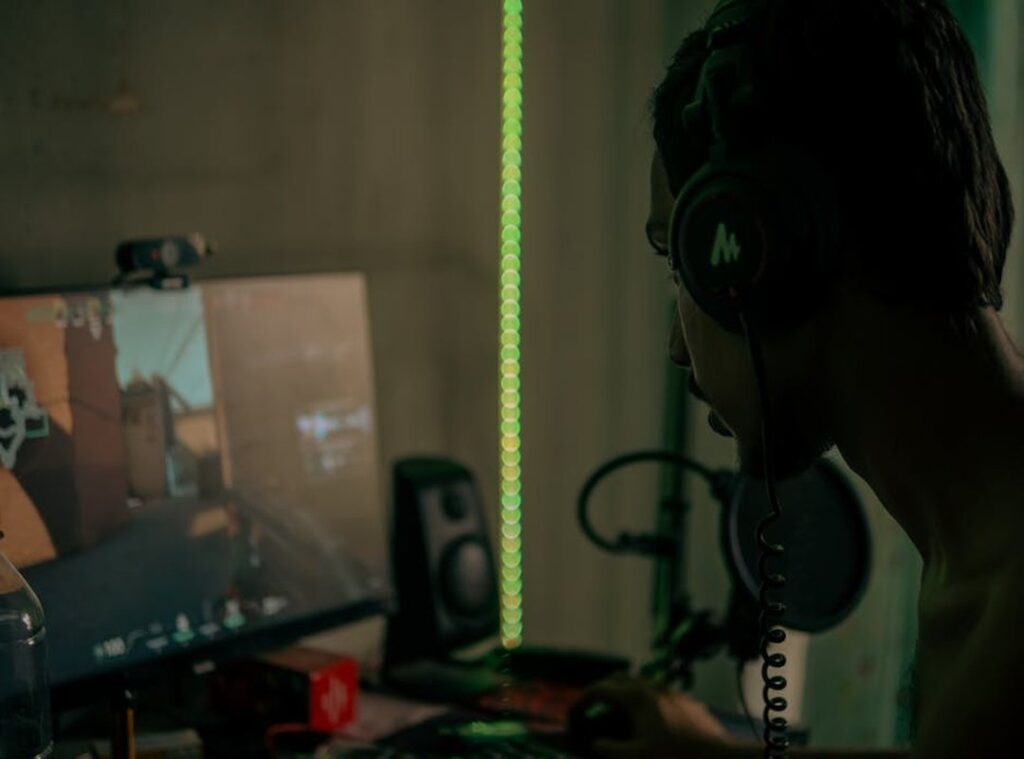
Ever played a game and thought, “I wish I could make something like this”? You’re not alone. The world of indie game development can seem like a mystery, wrapped in a riddle.
But it’s not just for big studios with deep pockets. In fact, it’s more accessible than ever.
I know because I’m constantly plugged into the pulse of the gaming industry. Especially the indie scene. It’s all about creativity and innovation.
Does that sound like something you want to be part of?
You’re in the right place. This article will demystify indie game development. We’ll explore indie game trends and how anyone with passion can dive in.
Trust me, you don’t need a massive budget or a huge team. Just a clear guide (which is exactly what this is) and a bit of passion.
What’s the Big Deal with Indie Games, Anyway?
Ever wonder why indie games feel so different? It’s because they’re made by small teams or even solo creators, free from the financial leash of big publishers. This means they can take risks, trying out unique game mechanics or telling personal stories that big studios might shy away from.
Think of it like indie films versus Hollywood blockbusters. Or craft breweries compared to massive beer corporations. Indie games are where creativity runs wild.
Here’s the thing: indie games thrive on creative freedom. Developers aren’t shackled by corporate demands, so they explore niche genres you’d never see in the AAA space. It’s like how a small band might experiment with new sounds, while pop stars stick to the same formula.
The variety in indie games reflects the passion and innovation of their creators, pushing the boundaries of what games can be.
One of the coolest aspects? The direct connection between creator and player. Indie devs often rely on community feedback to shape their games.
Ever heard of Early Access on Steam? players can try a game before it’s finished, offering feedback that often changes the final product. It’s a conversation, not a monologue.
Indie game trends are about more than just gameplay. There’s a vibe, an energy. It’s about passion projects and innovation.
Indie games are where you find those sandbox experiences that let you create and explore in ways you never imagined. Speaking of which, the sandbox games freedom to create is a perfect example of this. It’s that freedom to innovate that makes indie games special.
The Indie vs. AAA Showdown: More Than Just Budget
Indie games and AAA titles aren’t just about different budgets. They’re about different philosophies. And you feel it when you play.
Let’s talk team size. Indie games often spring from the minds of a single person or a small group. Think of “Stardew Valley” (one) guy made that.
On the flip side, AAA games have teams that could fill a concert hall. Hundreds of people, each a cog in the machine. Is bigger better?
Not always. Sometimes too many cooks spoil the broth.
Creative control is another battleground. Indies have it all. They can make games about weird stuff like farming in space or being a goose.
AAA? They’re tied to publishers and investors. You can’t just pitch “Farm Goose Simulator” and expect it to fly there.
The creative leash is short.
A major publisher would probably laugh you out of the room. But it worked. AAA games stick to proven formulas.
Now onto risk-taking. Indies love risks. They’re like that friend who bets on the dark horse and sometimes wins big. “Papers, Please” is a perfect example.
You know, like another sequel to a sequel.
Marketing? Indies rely on grassroots and community love. It’s all about word of mouth.
AAA games? They have massive ad campaigns. You’ve seen them everywhere, from buses to billboards.
These differences impact the games. Indie games often surprise us with fresh ideas. They’re unpredictable and exciting.
If you want to dive into what’s hot in indie game trends, check out these 10 indie game trends from 2025. They show just how varied and creative indie games can be.
Both types of games have their strengths. It all comes down to what you value in your gaming experience.
Dive into Indie Game Development: No Experience Needed!
How do you actually start making an indie game? It feels overwhelming, right? You don’t need a computer science degree.
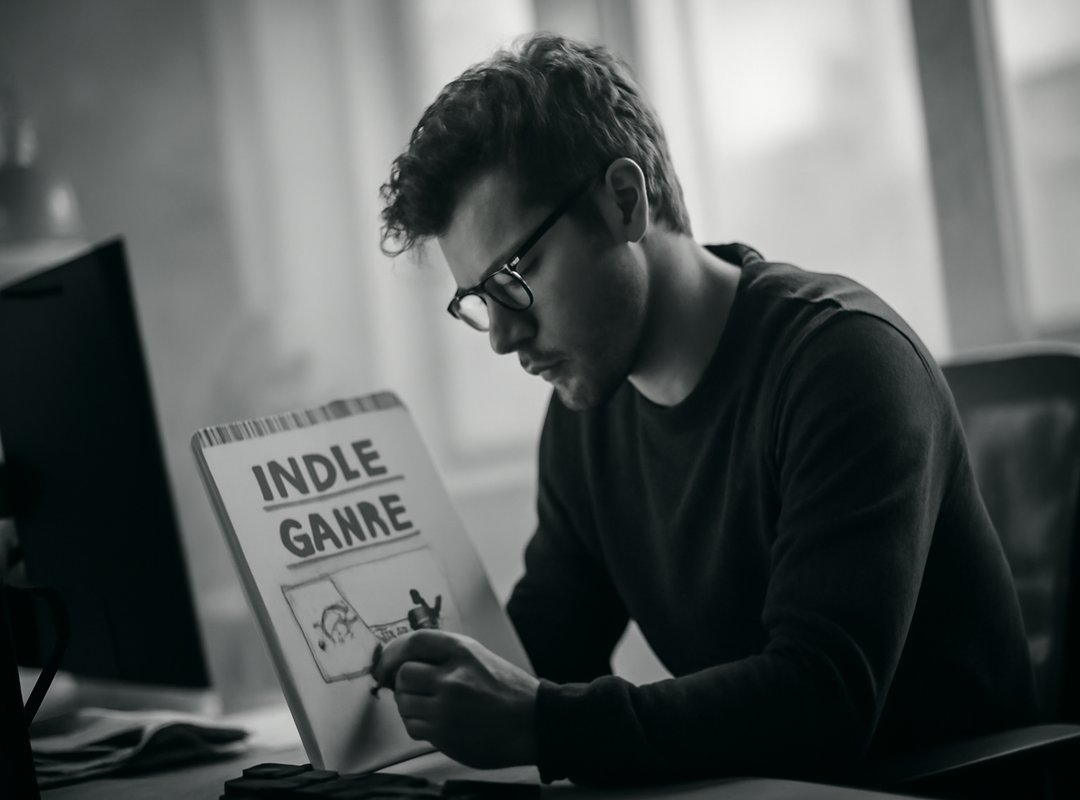
Trust me. It’s more about creativity and persistence than anything else. Let’s break down those first steps into bite-sized chunks.
Step 1: Pick Your Engine. This is where the magic starts. There are three big players in the free engine space: Godot, Unity, and Unreal Engine. Godot is awesome for 2D (and truly open-source). Unity? Super versatile with a huge community and asset store. Then there’s Unreal, a graphical powerhouse if you’re more into 3D. For beginners, I’d suggest kicking off with Godot or Unity. They’re more straightforward and less intimidating.
Step 2: Start TINY. And when I say tiny, I mean really tiny. Your first project should be something you can finish. Clone a classic game like Pong or Breakout. Why? Because it teaches you the development process from start to finish. You’ll learn more by completing a small game than by starting and abandoning a giant one.
Step 3: Learn the Lingo. What the heck is a ‘game loop’? Or ‘sprites’? Or ‘collision detection’? Google these terms to get a grip on important concepts. Also, don’t forget ‘variables’ because they’re everywhere in coding. Learning these gives you a smoother path forward.
For tutorials, YouTube channels like Brackeys and GDQuest are gold mines. Also, dive into the official engine documentation. It’s all there for free.
And, if you’re curious about indie game trends or how RPGs are shaping up, check out rpgs popularity 2023. You’ll get takeaways into what’s hot right now.
Pro tip: Join game dev communities. Reddit, Discord, forums. You’ll find folks who’ve been exactly where you are now.
They’ll have answers to questions you didn’t even know to ask. So, jump in! The indie game world is waiting for you.
Indie Legends: Games That Changed Everything
Ever wondered how a simple idea can transform into a legendary game? I have, and it’s fascinating. Stardew Valley is a shining example. Imagine one person, Eric “ConcernedApe” Barone, pouring his soul into crafting every pixel, note, and line of code.
It’s like a love letter to farming sims. This wasn’t just a game, it was a passion project that turned into a phenomenon.
Then there’s Hollow Knight, a game from Team Cherry that redefined what a small team could achieve. They didn’t just create a game; they built a world. With Kickstarter backing and a dedicated community, they crafted something both vast and intimate.
It’s a what indie game trends can do when paired with creativity and support.
And Among Us? Who would have thought a simple game about crewmates and impostors would take over the world? Timing was everything.
Its clever social mechanics struck a chord during a period when everyone craved connection.
These games started as small ideas. Just like the one you might have. What’s stopping you from creating the next big thing?
All it takes is a spark, a bit of courage, and a whole lot of heart.
Your Game-Dev Journey Starts Now
Think creating a game is out of your league? Wrong. The path might have hurdles, but it’s thrilling and more accessible than ever. Indie game trends show it’s the perfect time to dive in.
You’ve got the basics (now) it’s about taking that first step. Download a game engine today, watch a tutorial, and just start. You’re not running a marathon yet.
Just lacing up your sneakers. You’ll soon see that starting small builds the skills and confidence for bigger projects. Ready to make your mark?
Your dream game is a download away. Get started and redefine what’s possible.
