The line between our public online personas and private lives can be pretty thin. Especially for internet influencers, it’s like walking a tightrope.
Fie Laursen is a well-known Danish social media personality. She has a massive following and her every move is watched by thousands.
Recently, there was a leak of her private information. It’s a big deal, not just for her but for the wider internet community too.
This article aims to give you a clear, factual, and chronological account of what happened. We’ll break down the events, the nature of the leaked data, and the broader consequences.
No sensationalism here. Just the facts. You’ll get a clear understanding of the incident and its implications for digital privacy and creator culture.
Why does this matter? Because it could happen to anyone. And it’s crucial to know how to protect yourself in this digital age.
A Timeline of the Disclosure: How the Leak Unfolded
The leak started on a few niche online forums and messaging apps. People were sharing private information like it was going out of style.
From there, it didn’t take long for the info to hit mainstream social media. Twitter, Reddit, and Telegram were buzzing with the news.
Why did this spread so fast? Anonymous online communities played a big role. They often have their own motivations, like anti-influencer sentiment or a desire for notoriety.
Fie Laursen herself made a public statement during the initial phase. She urged people to respect her privacy and called for the removal of the leaked content.
This event is a perfect case study in how quickly information—and misinformation—can spread in the digital age. It’s a reminder that once something is out there, it’s nearly impossible to contain.
Platforms face a huge challenge in dealing with such rapid dissemination. They have to balance free speech with the need to protect personal data.
So, what can you do? Stay vigilant. If you see private information being shared, report it.
And always think twice before sharing anything that could harm someone’s privacy.
The Scope of the Breach: What Information Was Made Public?
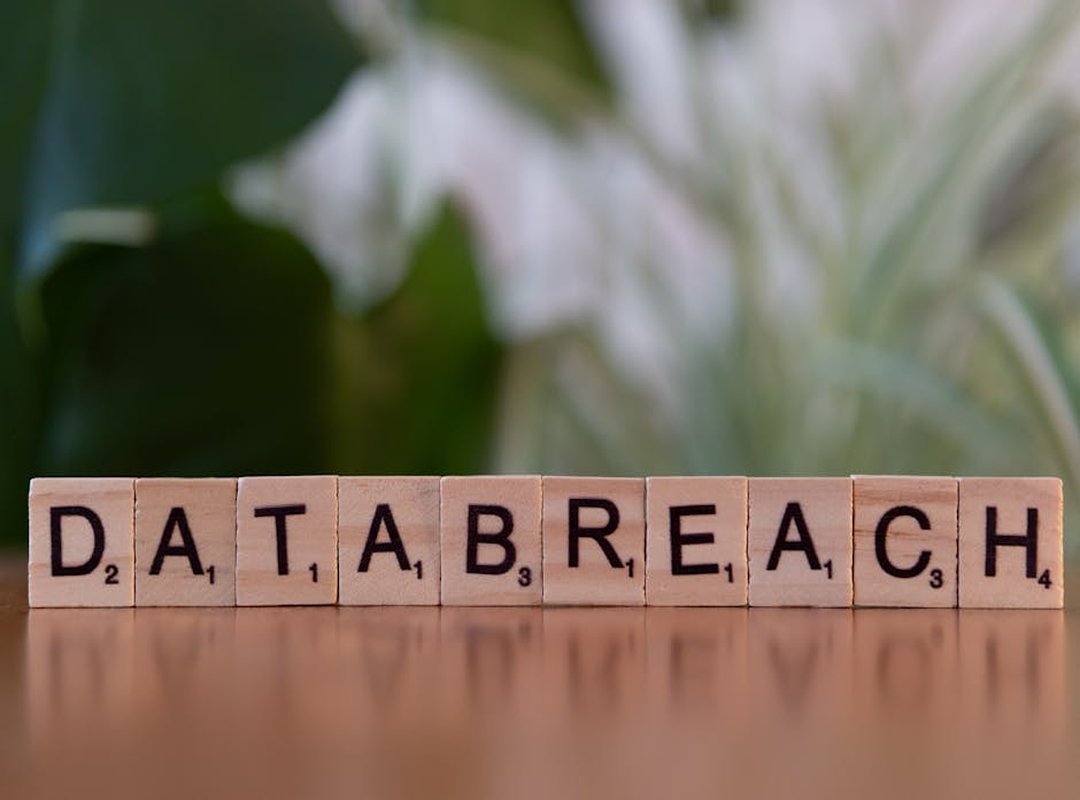
The recent data breach exposed a wide range of personal information. Personal contact details like email addresses and phone numbers were among the leaked data. This can lead to an increased risk of phishing attacks and identity theft.
Private photos and videos were also part of the leak. These can cause significant emotional distress and even physical danger if used for stalking or harassment. Financial records, including bank statements and credit card information, were compromised too.
This puts individuals at a high risk of financial fraud and unauthorized transactions.
Sensitive personal documents, such as medical records and legal papers, were also made public. The exposure of such documents can lead to severe privacy violations and potential blackmail.
The source of the leak is still under investigation, but it’s speculated to be a targeted hack. Some reports suggest it could have been a breach from a third-party service, while others point to an insider leak. Whatever the case, the fie laursen of leak is a serious matter that needs thorough investigation.
Doxxing, the act of publicly sharing someone’s private information, is what happened here. It’s not just unethical; it’s illegal in many countries. The harm caused by doxxing can be long-lasting and devastating.
It’s crucial to remember the ethical implications. Do not seek out, share, or engage with the leaked content. By doing so, you contribute to the victim’s suffering and perpetuate the violation of their privacy.
The psychological impact of such a comprehensive privacy invasion can be profound. Victims may experience anxiety, depression, and a deep sense of vulnerability. They might also face social and professional repercussions, adding to their stress and trauma.
For more insights on how to protect your data and stay informed, visit Playonit55.
The Aftermath and Broader Implications for Online Creators
Fie Laursen of leak has faced a whirlwind of challenges. Legal actions are in motion, and her social media platforms have been scrutinized. The public and media reactions have been intense, with many expressing support but also concern.
What does this mean for the creator economy? It’s a wake-up call. Online personalities face a unique set of risks.
They build their careers on sharing personal details, yet they still deserve privacy. This is the ‘privacy paradox’ they grapple with daily.
Tech platforms play a crucial role here. They need to step up and protect their users from doxxing and targeted harassment. Current policies and enforcement mechanisms often fall short.
Platforms must do more to prevent similar incidents.
For other content creators, it’s time to take action. Use two-factor authentication. Set up separate business contact info.
Consider using a VPN. Regularly monitor for data breaches. These steps can make a big difference in protecting your personal information.
Are current platform policies enough? Not really. They need to be more robust and proactive.
Comparing the current state to what’s needed, it’s clear there’s a gap. Platforms should invest in better tools and stricter enforcement.
In the end, it’s about creating a safer environment for all online creators.
Navigating the Perils of a Public Digital Life
The recent fie laursen of leak highlights the precarious nature of online fame, where personal information can be exposed without consent. This incident serves as a stark reminder of the vulnerabilities that come with a public digital life.
Digital security is not just an individual responsibility but a collective one. It’s crucial for all online users to discourage and refuse to participate in any form of privacy violation.
In the digital age, the balance between public transparency and the fundamental right to privacy remains tenuous.
While the lives of public figures are often on display, it is essential to respect and defend the line that protects their private, personal information.